
Table of Contents
- What to Wear for Weightlifting: The Foundation
- Performance T-Shirts and Tops for Heavy Lifting
- Best Shorts for Weightlifting and Olympic Movements
- Weightlifting Leggings and Track Pants for Full Range of Motion
- Olympic Weightlifting Shoes and Footwear Considerations
- Fabric, Fit, and Durability: What Actually Matters Under Load
- Frequently Asked Questions
Last Updated: October 19, 2026
What to Wear for Weightlifting: The Foundation
The difference between clothes that survive heavy training and clothes that fall apart comes down to three things: fabric choice, fit, and seam construction.
Workout clothes olympic lifting movements need to handle extreme ranges of motion without restriction: shoulders moving freely through a full snatch, hips extending explosively in a clean, legs driving through heavy squats without waistbands rolling or seams tearing.
The fabric matters most: moisture-wicking synthetics (polyester and spandex blends) outperform cotton under load because they stretch, recover, and don't absorb sweat that adds weight. Seams matter because barbell contact is relentless.
Performance T-Shirts and Tops for Heavy Lifting
A performance t-shirt for Olympic lifting needs raglan sleeves or similar construction that lets your shoulders move without the shirt pulling across your chest.
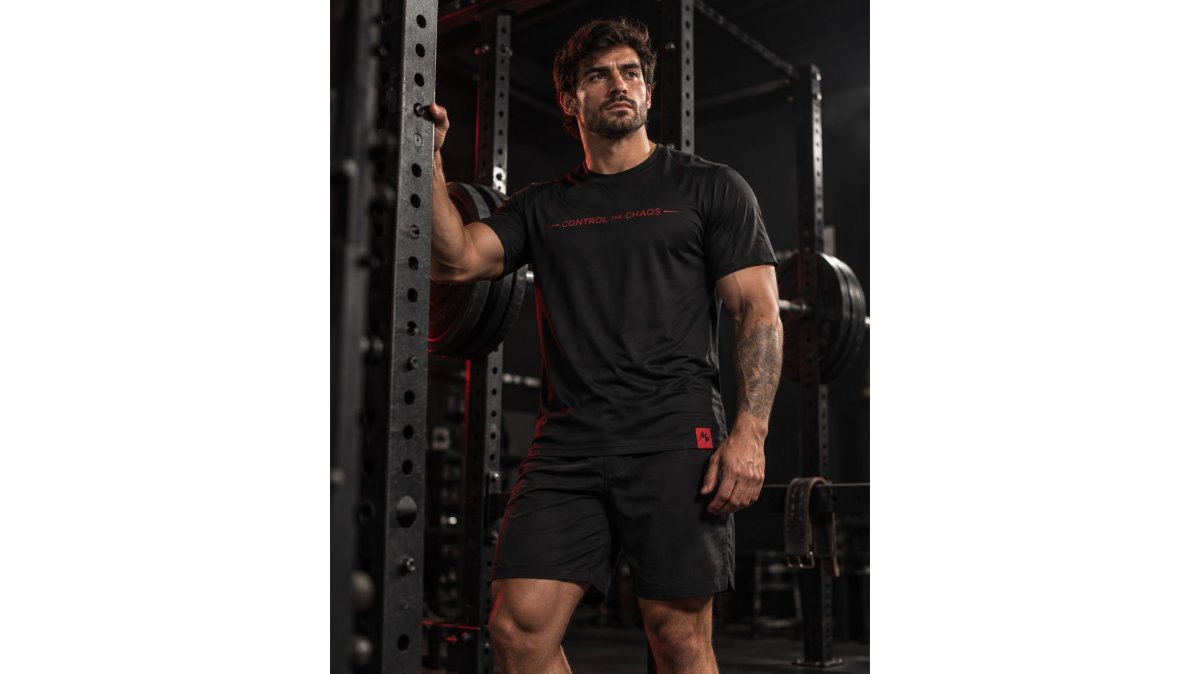
The Classic Performance T at $49.99 features raglan sleeves that move with your shoulders, lightweight breathable fabric that manages moisture, a tagless design, and UV protection.

For athletes who prefer tank tops, the Classic Performance Tank at $44.99 removes the sleeve question entirely.
For cooler conditions or layering, the Heavyweight Oversized T at $59.99 uses 100% cotton with reinforced double-needle stitching at the collar.
Best Shorts for Weightlifting and Olympic Movements
Shorts for Olympic lifting are not the same as shorts for general gym training. The bar path in a snatch runs close to the shins and thighs, the catch position puts your hips below parallel, and the jerk drives your front knee forward under load.
The Moisture Wick Shorts at $49.99 are built around that problem. The 90% polyester and 10% spandex blend gives four-way stretch with recovery, so the fabric returns to shape after a deep squat. The 3.5 oz fabric adds no bulk where the bar passes the thigh, and flat-stitched seams sit flush against repeated bar contact.

How shorts behave through the snatch, clean, and jerk
- Setup and first pull: The bar travels up the shin. Shorts with side pockets, zippers, or bulky seams create a shelf the bar can catch on. Look for a smooth outer thigh and no external hardware.
- Turnover and catch: In the bottom of a snatch or clean, your hip crease closes sharply. A short with a low-rise waistband will gap at the back and expose skin; a high-rise or reinforced waistband stays put. The hem should not ride up into the hip crease.
- Overhead lockout and jerk recovery: The front knee travels forward and the back hip extends. Shorts that are too tight through the seat restrict the split; shorts that are too loose flap and can contact the bar as you re-rack.
Seams, waistbands, and bar contact
Where the bar or belt touches your body, fabric bulk matters. A thin elastic waistband rolls under a lifting belt; a reinforced waistband at least 1.5 inches wide with an internal drawcord holds its position. Flat-stitched side seams distribute stress and sit flatter than standard overlock seams. Avoid external side pockets, zippers, and drawstring loops, which create catch points exactly where the bar passes.
A quick movement test before you buy
Put the shorts on and run three checks:
- Overhead squat with a PVC pipe: Lock out overhead and sit into the deepest squat you can hold. Check that the hem does not climb into the hip crease, the waistband does not gap at the back, and the fabric is not transparent when stretched over the thigh.
- Split jerk with an empty bar: Drive into a split and recover. Check that the front thigh does not bind and that the short does not ride up over the knee.
- Clean pull to front rack: Pull from the floor to the front rack. Check that nothing on the outside of the short catches the bar and that the waistband stays flat under a belt.
If a short fails any one, it will fail under load.
Weightlifting Leggings and Track Pants for Full Range of Motion
For athletes who prefer full-length bottoms, leggings and track pants are essential. Weightlifting leggings need a high waistband that won't slip during heavy squats or deadlifts, plus fabric that doesn't bunch at the ankles in a deep squat.
The Moisture Wick Track Pants at $74.99 handle this better than standard joggers. The 7.8 oz poly/spandex blend is heavier than shorts but still lightweight enough for training, with four-way stretch for unrestricted movement through a snatch or clean.

For recovery days or warm-up sessions, the Midweight Fleece Joggers at $59.99 offer a different profile.
Olympic Weightlifting Shoes and Footwear Considerations
Footwear for Olympic lifting is not optional. Your feet need to be stable and flat throughout the movement. Cushioned running shoes compress under load and destabilize your base. Flat shoes, like wrestling shoes, Converse-style canvas shoes, or dedicated Olympic lifting shoes, keep your feet rigid and your weight distributed evenly.
Converse Chuck Taylors or similar flat canvas shoes work well for most lifters because they're affordable, durable, and stable. Some lifters prefer dedicated Olympic lifting shoes, which have a slightly raised heel (0.5 to 0.75 inches) that can help with ankle mobility in the bottom of a squat.
Fabric, Fit, and Durability: What Actually Matters Under Load
Most apparel guides treat weightlifting as one activity. Olympic lifting is three lifts with distinct garment demands, and the fabric has to survive all of them in the same session. The snatch requires the widest overhead range and deepest receiving position. The clean puts the bar in the front rack against the shoulders and upper chest. The jerk drives the bar overhead from a split. A fabric that passes a generic squat test can still fail the front rack, the overhead lockout, or repeated bar contact on the thigh.
Garment behavior by lift phase
- Setup and pull: The bar travels close to the shin and thigh. Fabric bulk, external pockets, and raised seams create catch points. Smooth, flat-stitched outer thighs and no hardware are the priority.
- Turnover and catch: The shoulders move through full flexion in the snatch and the elbows rotate through in the clean. Raglan sleeves or tank construction let the shoulder move without the seam fighting it. A standard set-in sleeve seam that runs across the deltoid will restrict the overhead position and eventually tear.
- Front rack and jerk dip: The bar sits on the front delts and clavicle. A shirt with a thick collar seam or heavy chest print creates pressure points. Look for a clean front panel and a tagless neckline.
- Overhead lockout and split: The fabric has to stay put while the arms go overhead and the legs split. Loose fabric flaps and can contact the bar; tight fabric restricts the shoulder. Athletic fit with four-way stretch is the balance.
Fabric blends and what they actually do
A 90% polyester / 10% spandex blend is the practical standard for shorts and performance tops. The polyester provides durability and moisture management; the spandex provides stretch and recovery so the garment returns to shape after a deep squat. Blends with more spandex (15-20%) feel softer but degrade faster with washing and UV exposure.
Seam construction is where most gear fails. Flat-stitched seams distribute stress across a wider area and sit flatter than standard overlock seams, which matters where the bar brushes the thigh or the belt presses the waistband. Double-needle stitching at stress points (collar, waistband, side seams) reinforces areas that take repeated load.
| Feature | Why It Matters in Olympic Lifts | What to Look For |
|---|---|---|
| Fabric blend | Stretch, recovery, and moisture management under load | 90% polyester / 10% spandex or similar |
| Seam type | Resistance to tearing and abrasion at bar-contact points | Flat-stitched seams, double-needle at stress points |
| Waistband | Stays flat under a belt and does not gap in the catch | Reinforced 1.5"+ width with internal drawcord |
| Sleeve construction | Unrestricted overhead position in snatch and jerk | Raglan sleeves or tank construction |
| Inseam length | Coverage in the deep receiving position without bunching | 7-9 inches for shorts, full length for pants |
| Surface hardware | No catch points where the bar passes the thigh | No external side zippers or pockets |
Fit considerations for muscular and athletic builds
Standard gym apparel is cut for a general population. Lifters with developed shoulders, lats, and quads often find a size that fits the chest is tight across the back overhead, or a size that fits the hips is loose at the waist. Look for athletic cuts tapered through the waist and roomier through the chest and thighs. If between sizes, size for the widest position you train (usually the overhead squat or front rack), not the standing fit.
A fit and fabric testing checklist
Before you commit to a piece of gear, run these checks:
- Overhead squat test: With a PVC pipe locked out overhead, sit into the deepest squat you can hold. Check for shoulder restriction, hem ride-up, waistband gaping, and fabric transparency when stretched.
- Front rack test: Rack an empty bar on the front delts. Check that the collar seam and any chest print do not create pressure points and that the fabric does not bunch under the bar.
- Split jerk test: Drive into a split and recover. Check that the front thigh does not bind and that the short or pant does not ride up over the knee.
- Bar-contact test: Run an empty bar up the thigh in a clean pull. Check that nothing on the outside of the garment catches the knurling.
- Opacity test: Stretch the fabric over your thigh and hold it up to the light. If you can see through it, it will be transparent under load.
If a garment fails any one, it will fail under load.
Frequently Asked Questions
What should you wear for Olympic weightlifting?
For Olympic lifting, wear breathable, moisture-wicking tops with unrestricted shoulder movement, lightweight shorts or track pants with four-way stretch, and supportive footwear. Avoid loose or baggy fabric that can catch on the barbell during snatch and clean and jerk movements. Your workout clothes should allow full range of motion while staying secure during heavy lifting. Look for tagless designs to eliminate irritation during repeated training sessions.
What are the best shorts for weightlifting?
The best shorts for weightlifting offer four-way stretch, moisture-wicking technology, and a secure fit that won't shift during heavy lifts. A 7-inch inseam provides adequate coverage while maintaining freedom of movement for squats and pulls. Lightweight poly-spandex blends (like 90% polyester and 10% spandex) deliver durability through repeated training without excess bulk. An internal drawcord ensures the shorts stay in place through your entire session, even during intense conditioning work.
Are leggings or shorts better for weightlifting?
Both serve different purposes. Weightlifting leggings offer full leg coverage, compression support, and protection from barbell contact, making them ideal for heavy snatch and clean and jerk work. Shorts provide better airflow and cooling for high-intensity conditioning and warm-ups. Many serious lifters use both: leggings for max-effort sessions and shorts for accessory work or when training in heat. Choose based on your training phase, gym temperature, and personal comfort during your specific lift.
Why does fabric choice matter for Olympic lifting?
Fabric directly impacts durability, comfort, and safety under load. Moisture-wicking synthetics (polyester-spandex blends) dry quickly and resist sweat saturation that makes cotton heavy and uncomfortable during intense sessions. Lightweight, breathable construction prevents overheating during heavy snatch and clean and jerk attempts. Durable stitching and reinforced seams withstand repeated barbell contact and the stress of heavy training. Premium fabrics maintain their stretch and shape through months of relentless use, protecting your investment in quality workout clothes.
0 comments