
Table of Contents
- What Makes a Gorilla Wear Alternative Worth Considering
- Durable Gym Clothing for Bodybuilders: What Sets Performance Gear Apart
- How to Choose Workout Gear for Intense Training Sessions
- Performance Apparel vs. Lifestyle Brands: Where the Real Difference Lies
- Material Durability and Fabric Technology for Heavy Lifting
- Sizing, Fit, and Biomechanical Considerations for Serious Lifters
- Building Your Complete Training Wardrobe
- Frequently Asked Questions
Last Updated: September 27, 2026
What Makes a Gorilla Wear Alternative Worth Considering
Finding the right gorilla wear alternative for serious athletes means understanding what separates genuine performance gear from marketing hype. Most athletes settle for the first brand they discover, then spend months frustrated when seams split, fabric loses its shape, or waistbands fail during heavy lifts.
The real issue isn't brand loyalty. It's that most gym clothing brands prioritize aesthetics over the specific demands of strength training. They design for Instagram photos, not for the biomechanical stress of moving heavy loads repeatedly.
At Mayhem Performance Apparel, we've built our entire approach around a different principle: gear that performs under actual load. This guide breaks down what separates a true gorilla wear alternative from the pretenders, and how to build a training wardrobe that lasts.

Durable Gym Clothing for Bodybuilders: What Sets Performance Gear Apart
Durable gym clothing for bodybuilders isn't about thicker fabric or more stitching. It's about engineering that anticipates where failure happens and prevents it.
When you perform heavy lifting, your clothing experiences forces most casual activewear never encounters. A squat creates lateral pressure on the waistband. Deadlifts generate repeated friction across the lower back. Bench pressing creates shoulder seam stress that compounds over hundreds of reps. Standard activewear fails at these exact points because it wasn't designed for them.
Performance-focused apparel addresses these stress points specifically:
- Reinforced seams in high-friction zones (shoulders, underarms, waistbands)
- Fabric weight that resists pilling and maintains structure after dozens of washes
- Stretch technology that recovers to original shape, not permanently stretched
- Construction methods that account for directional stress patterns
The Mayhem Performance Heavyweight Oversized T-Shirt, for example, uses heavyweight 7.5 oz 100% cotton with reinforced double-needle stitching on the collar, the point where most t-shirts fail first. This isn't decoration. It's addressing where the fabric actually tears under repeated training stress.

A common mistake is confusing "performance" with "moisture-wicking." Moisture management matters, but it's secondary to durability. A shirt that breathes but falls apart after three months is worse than one that stays intact for years.
How to Choose Workout Gear for Intense Training Sessions
Selecting the right gear for intense training requires matching specific features to your actual training style, not to marketing claims or what other athletes wear.
Start by identifying your primary training discipline. Powerlifting demands different features than CrossFit. High-rep bodybuilding creates different stress patterns than strongman training. Each discipline generates unique wear patterns.
For heavy lifting specifically, prioritize these criteria in order:
- Waistband security, Does it stay in place through a full squat session? Test by performing a heavy squat and checking if the waistband has migrated downward.
- Seam integrity, Are high-stress seams reinforced? Look for double or triple stitching at shoulders, underarms, and collar.
- Fabric recovery, Does the material bounce back to shape after stretching? Grab the fabric and stretch it; if it doesn't return immediately, it won't hold up.
- Inseam construction, For pants and shorts, inseams take constant friction during leg training. Reinforced inseams prevent premature failure.
- Pocket durability, If the gear has pockets, are they stitched securely? Pockets fail faster than the main fabric because they concentrate stress.
The Mayhem Performance Moisture Wick Shorts address this hierarchy directly. The 3.5 oz poly/spandex blend provides four-way stretch for unrestricted movement, while the 7-inch inseam balances coverage with freedom. The durable design is built specifically for consistent training without the bulk that slows you down.

Many athletes overlook fabric composition entirely. A common assumption is that "technical fabric" means "better." In reality, the best fabric depends on your environment. For hot climates or high-sweat training, moisture-wicking synthetics outperform cotton. For moderate conditions, heavyweight cotton blends offer better durability and longevity.
Performance Apparel vs. Lifestyle Brands: Where the Real Difference Lies
The gap between performance apparel and lifestyle brands isn't subtle. It's fundamental to how the products are engineered.
Lifestyle brands design for the image of training. They optimize for how gear looks in photos, how it fits a specific body type, and how it performs for 30-minute casual workouts. Performance apparel is engineered for athletes who train five to six days per week, push heavy loads, and expect gear to survive that reality.
This difference shows up in specific design choices:
Lifestyle brand approach: Thinner, more fashionable fabrics that feel premium initially but lose shape quickly. Minimal seam reinforcement. Waistbands designed for comfort at rest, not under load.
Performance apparel approach: Heavier, durable fabrics that maintain structure. Reinforced seams at stress points. Waistbands engineered to stay in place during dynamic movement under resistance.
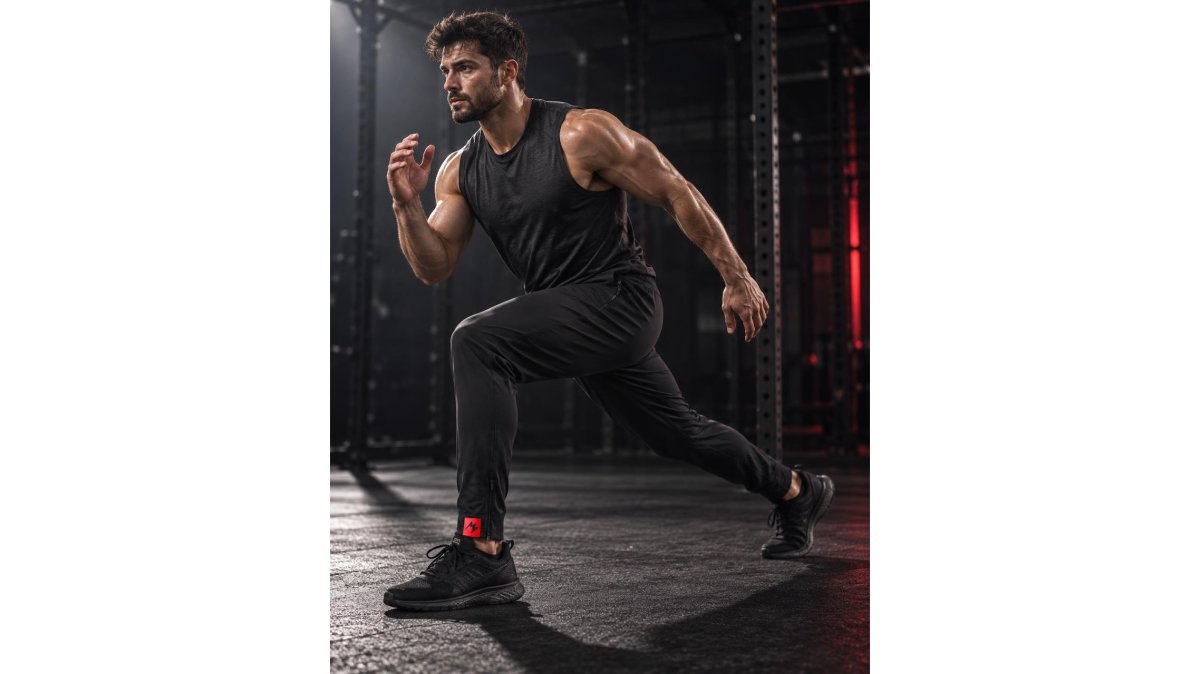
The Mayhem Performance Moisture Wick Track Pants exemplify this distinction. The 7.8 oz poly/spandex blend is heavier than most lifestyle activewear, but that weight serves a purpose: durability under repeated stress. The ankle zippers aren't a fashion feature, they solve a real problem for lifters who train in multiple sessions and need quick on-and-off access without removing shoes between workouts.
Lifestyle brands also make different choices about fit. They optimize for a narrow range of body types. Performance apparel accounts for the fact that serious lifters come in different builds, and gear needs to perform across that range. The Mayhem Performance Midweight Fleece Joggers, constructed from 8.25 oz heavyweight cotton blend with an elastic waistband and adjustable drawstring, accommodate individual fit variations while maintaining security during movement.
A critical distinction: performance apparel is built for repetition. Lifestyle apparel is built for occasions. If you train daily, you need gear designed for daily training. The difference in durability compounds dramatically over months.
Material Durability and Fabric Technology for Heavy Lifting
The fabrics used in gym apparel determine how long gear actually lasts under training stress. Understanding these materials prevents expensive mistakes and helps you identify real durability versus marketing language.
Heavyweight cotton (7.5+ oz) offers superior durability for basic t-shirts and recovery wear. It resists pilling, maintains shape through dozens of washes, and actually improves slightly with age.
Sizing, Fit, and Biomechanical Considerations for Serious Lifters
Getting the fit right determines whether gear performs or fails during training. This goes beyond standard sizing, it requires understanding how your body moves under load.
Movement |
Fit Requirement |
What to Check |
|---|---|---|
Squat |
Waistband stays in place during full range of motion |
Perform a heavy squat; waistband should not migrate downward |
Deadlift |
Lower back coverage without excess fabric |
Bend forward; check that seams don't create pressure points |
Bench press |
Shoulder freedom without sleeve riding up |
Perform pressing motion; sleeves should stay in place |
Overhead press |
Armpit seam clearance for full overhead range |
Raise arms overhead; no pinching or pulling sensation |
Row variations |
Torso coverage during forward-bending |
Bend forward; fabric should not ride up or create gaps |
Building Your Complete Training Wardrobe
Build your wardrobe in this order:
Foundation layer (heavy-use pieces): Start with two to three versatile tops that work for any training session. The Mayhem Performance Classic Performance T-Shirt at $49.99 provides lightweight, breathable performance fabric with moisture-managing capability and built-in UV protection. This is your daily workhorse.
Frequently Asked Questions
What makes a Gorilla Wear alternative actually better for serious athletes?
A true Gorilla Wear alternative prioritizes performance durability over aesthetics. Look for apparel engineered with reinforced seams, heavyweight fabrics rated for repeated heavy lifting, and technical construction that withstands constant washing. Mayhem Performance Apparel, for example, uses 7.5 oz 100% cotton with double-needle stitched collars and moisture-wicking poly/spandex blends specifically built for athletes who train under load. The difference shows after months of use, not weeks.
How do I know if durable gym clothing for bodybuilders will actually last through intense training?
Examine the fabric weight (measured in ounces per square yard), seam construction, and fiber composition. Heavyweight apparel rated 7.5+ oz with reinforced stitching resists tearing and fraying. Poly/spandex performance blends with moisture-wicking properties maintain elasticity through repeated stretching and washing. Check whether the garment uses double-needle stitching at stress points like collars and seams. Real durability comes from engineering choices, not brand name.
When choosing workout gear for intense training, what features matter most for heavy lifting?
Prioritize unrestricted range of motion, secure fit during dynamic movement, moisture management, and seam integrity. Four-way stretch fabrics and intentionally oversized cuts prevent binding during squats and deadlifts. Secure waistbands with drawstrings prevent slipping under load. Moisture-wicking technology keeps sweat from making fabric heavy and uncomfortable. Reinforced construction at high-stress areas ensures garments hold up through years of heavy-duty use, not just one season.
Is performance apparel more expensive than lifestyle brands, and is it worth the cost?
Performance-engineered apparel typically costs more upfront because it's built to endure. A Mayhem Performance Moisture Wick Track Pant at $74.99 outlasts multiple cheaper alternatives because the 7.8 oz poly/spandex blend resists degradation and maintains elasticity. Calculate cost-per-wear over 2-3 years of consistent training, and performance gear becomes more economical. You're paying for engineering that survives repeated heavy lifting, not for branding.
What should I look for in gym accessories and training equipment to complement my apparel?
Choose accessories that match your apparel's durability standard: reinforced lifting belts, durable knee sleeves, and secure-fitting wrist wraps. Avoid lightweight or decorative gear that won't survive heavy training sessions. Your apparel and accessories should work together to support consistent training. Mayhem's range from performance t-shirts ($49.99) to track pants ($74.99) pairs with serious training equipment designed for the same intensity level and longevity requirements.
0 comments