
Table of Contents
- Why Gym Clothes Smell: The Science Behind the Stink
- Why Your Gym Clothes Still Smell After Washing
- How to Get Sweat Smell Out of Polyester
- Best Laundry Detergent for Gym Clothes
- How to Strip Workout Clothes When Odor Won't Budge
- Caring for High-End Technical Fabrics and Compression Gear
- Gym Bag Hygiene and Storage Between Sessions
- Gym Clothes Smell: Quick Reference Guide
- Frequently Asked Questions
Last Updated: September 2, 2026
Why Gym Clothes Smell: The Science Behind the Stink
Gym clothes smell due to textile chemistry, not hygiene. At Mayhem Performance Apparel, we hear this constantly: gear smells fine after washing, then reeks after one session. The core issue is that synthetic fibers trap odor-causing compounds in ways natural fabrics do not.
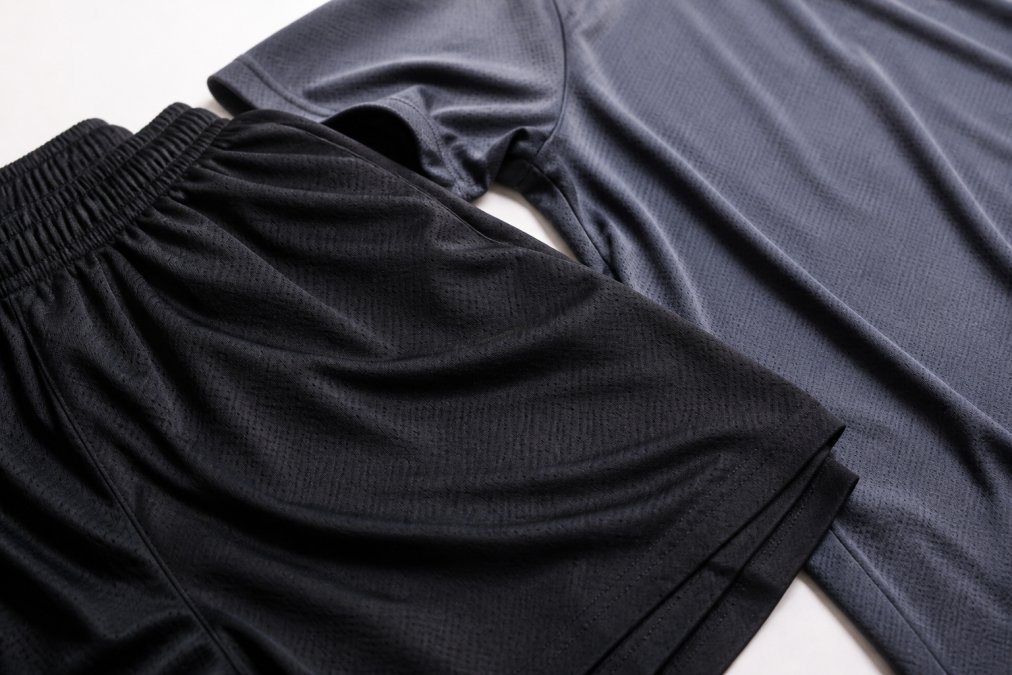
How Synthetic Fibers Trap Odors Differently Than Natural Fabrics
Synthetic fibers like polyester, nylon, and spandex are hydrophobic, they repel water, making them effective at moisture-wicking. However, they actively absorb body oils that carry bacteria and volatile organic compounds responsible for odor. Once embedded in the fiber structure, these compounds are difficult to remove with a standard wash cycle.
Natural fabrics like cotton and wool absorb moisture readily, creating a less hospitable surface for lipid-based compounds that feed odor-producing bacteria. Cotton washes cleaner because odorous compounds sit on the fiber surface rather rather than binding at a molecular level. The tradeoff is performance: cotton gets heavy and stays wet, which is why serious athletes avoid it for high-intensity training.
Modern moisture-wicking fabrics use extremely fine filaments to maximize sweat-wicking performance. More surface area means more places for bacteria and body oils to hide. According to American Chemical Society research on textile odor retention, synthetic fabrics retain significantly more odor-causing compounds than natural fibers under equivalent washing conditions.
The Role of Bacteria, Biofilm, and Body Oils
Sweat itself is largely odorless; the stench comes from bacteria metabolizing sweat and producing volatile compounds. When bacteria transfer to clothing, they form biofilm: a protective layer that adheres to fiber surfaces and resists standard detergents. Over time, repeated training sessions build up this biofilm, making each wash cycle less effective. This is why gym clothes that smell fine after washing often develop odor within minutes of being worn again.
Body oils compound this problem. Sebum and other lipid compounds bond to synthetic fiber surfaces and accelerate bacterial proliferation. Once established, a standard detergent and 30-minute wash cycle cannot break this cycle.
Why Your Gym Clothes Still Smell After Washing
Most people assume that if clothes come out of the wash smelling neutral, the problem is solved. It isn't. Standard wash cycles address surface contamination without touching the biofilm and residue buildup underneath.
Excess Detergent and Fabric Softener Buildup
More detergent does not mean cleaner clothes. Excess laundry detergent doesn't rinse fully from synthetic fabrics during a standard cycle. The residue traps body oils, bacteria, and odorous compounds against the fiber surface, making odor worse with each wash.
Fabric softener is worse. It coats fibers with a waxy layer that clogs the micro-pores giving moisture-wicking gear its breathability and creates a substrate where bacteria and body oils adhere readily. If you're using fabric softener on workout gear, stop immediately.
Use less detergent than the label recommends for synthetic fabrics and run an extra rinse cycle when possible.
Heat Damage and the Wrong Wash Cycle
High-temperature wash and dry cycles damage synthetic fibers structurally. Fibers contract, surface texture changes, and the fabric becomes even more prone to trapping odorous compounds. Moisture-wicking properties degrade, sweat accumulates instead of dispersing, and odor accelerates.
Cold water wash is correct for synthetic athletic wear. Cold water preserves fiber integrity and is sufficient to activate most modern enzyme-based detergents. Air dry rather than machine dry whenever possible. If you do use a dryer, use the lowest heat setting.
How to Get Sweat Smell Out of Polyester
Getting sweat smell out of polyester requires targeted pre-treatment, not just a standard wash cycle. Polyester's hydrophobic structure means odorous compounds need to be broken down chemically before washing.
Vinegar Soak and Baking Soda Pre-Wash Methods
Two effective pre-wash methods work well for polyester and other synthetic fabrics:
White Vinegar Soak:
- Fill a basin with cold water
- Add one cup of white vinegar per gallon of water
- Submerge garments and soak for 30 minutes before washing
- Proceed with a cold water wash cycle using a small amount of detergent
White vinegar is mildly acidic and disrupts the biofilm layer on synthetic fibers while neutralizing alkaline odor compounds.
Baking Soda Pre-Wash:
- Add half a cup of baking soda directly to the wash drum with your clothes
- Run the wash cycle on cold with your normal detergent
- Alternatively, dissolve baking soda in water and pre-soak for 15-20 minutes
Baking soda is alkaline and works on a different class of odorous compounds than vinegar.
Best Laundry Detergent for Gym Clothes
The best laundry detergent for gym clothes is specifically formulated to break down the proteins and lipids that cause athletic odor. Most conventional detergents are designed for food stains and everyday grime, not the complex compounds in workout gear.
Enzyme Cleaners vs. Traditional Surfactants
Traditional laundry detergents rely on surfactants that reduce water's surface tension, lifting dirt and oils away from fabric. They struggle with the complex lipid-protein compounds embedded in synthetic athletic wear.
Enzyme-based detergents contain biological catalysts that break down specific molecules:
- Proteases target protein-based compounds (sweat residue, skin cells)
- Lipases break down body oils and sebum
For gym clothes that smell, lipases and proteases chemically dismantle the compounds that feed odor-producing bacteria rather than simply lifting them off the fiber surface. This makes enzyme cleaners substantially more effective for athletic wear.
Look for detergents marketed specifically for sportswear or activewear. These formulations are typically enzyme-based and designed for cold water wash. According to textile care guidance from the American Cleaning Institute, enzyme-based formulations are among the most effective options for protein and oil-based staining.
Method |
Best For |
Key Benefit |
Avoid |
|---|---|---|---|
Enzyme detergent |
Routine gym wear washing |
Breaks down proteins and body oils |
Hot water (deactivates enzymes) |
Vinegar soak |
Odor pre-treatment |
Disrupts biofilm, neutralizes odors |
Mixing with bleach |
Baking soda |
Persistent odor |
Alkaline neutralization |
Overuse on delicate fabrics |
Laundry stripping |
Heavily built-up residue |
Removes deep-set buildup |
Frequent use on technical fabrics |
Air drying |
All synthetic gear |
Preserves fiber structure |
Machine heat drying |
How to Strip Workout Clothes When Odor Won't Budge
Laundry stripping is the nuclear option for gym clothes that have accumulated months of residue and biofilm. It's a reset for gear that standard washing can no longer salvage.
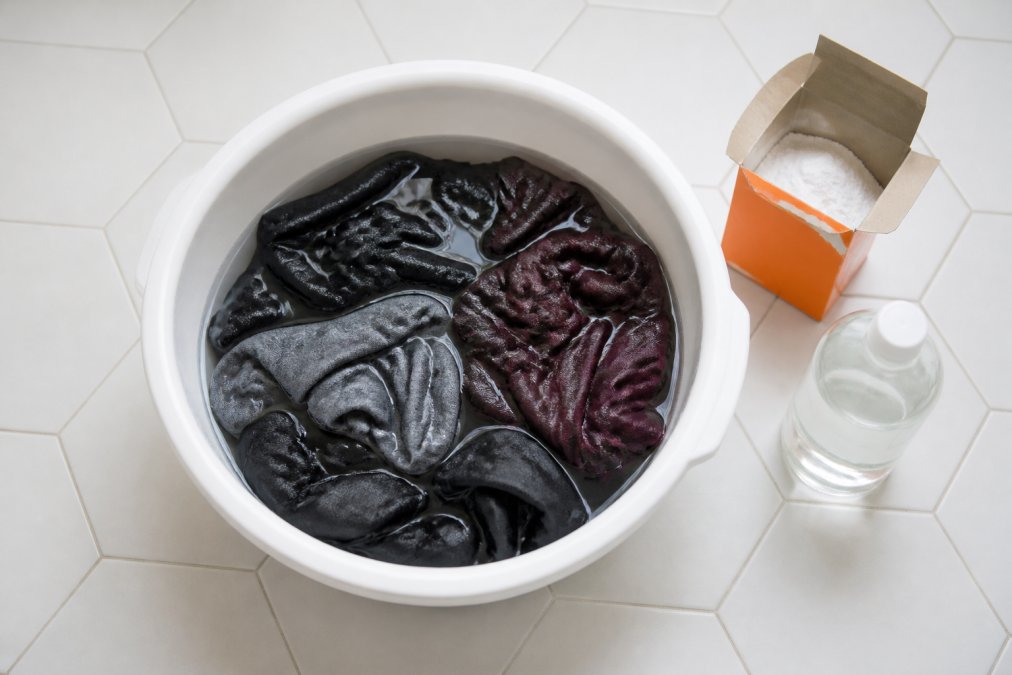
The stripping process pulls embedded residue out of the fiber structure:
- Fill a bathtub or large basin with hot water (as hot as the fabric care label permits)
- Add a quarter cup of borax, a quarter cup of washing soda, and two tablespoons of powdered enzyme detergent
- Stir to dissolve
- Submerge garments and soak for four to six hours, agitating occasionally
- Wring out and wash normally in cold water with no additional detergent
Critical caveat: Laundry stripping uses hot water and strong alkaline compounds. For high-end technical fabrics, compression gear, or anything with a specific care warning against hot water, check the care label first. Some performance fabrics do not tolerate the heat required for effective stripping. For those garments, repeated enzyme detergent washes with vinegar pre-soaks are safer.
Caring for High-End Technical Fabrics and Compression Gear
Premium athletic fabrics, including compression gear and advanced moisture-wicking textiles, require careful handling. The performance properties are built into the fiber structure, and aggressive washing degrades them permanently.
Compression gear is vulnerable to heat and mechanical stress. The elastane fibers that provide compression gradually lose tension when exposed to high temperatures. Once that tension is gone, the compression benefit is gone. Cold water wash and air dry are non-negotiable for compression garments.
For moisture-wicking technical fabrics, the key concern is preserving the fiber's surface treatment. Many high-performance textiles have a durable water repellent finish or specific surface texture engineered for sweat dispersal. Harsh detergents, bleach, and fabric softeners strip these treatments.
A practical care routine for technical fabrics:
- Wash inside-out to protect surface treatments
- Use a mesh laundry bag to reduce mechanical abrasion
- Avoid wringing compression garments; press water out gently
- Lay flat or hang to air dry; never machine dry compression gear
- Spot-treat problem areas with diluted white vinegar before washing
According to care guidance from the Textile Exchange on performance fabric longevity, following manufacturer care instructions for technical fabrics can extend garment life substantially compared to generic washing practices.
Gym Bag Hygiene and Storage Between Sessions
Most guides on gym clothes smell stop at laundry and miss what happens between the gym and the washing machine.
A wet, sweaty garment sealed inside a gym bag creates ideal conditions for bacterial proliferation and biofilm formation. The warmth, moisture, and enclosed space accelerate the process that makes gym clothes smell worse. By the time you get home, bacteria have already established themselves more deeply in the fiber structure.
The fix requires consistent habit:
- Never seal sweaty gear in a plastic bag or airtight gym bag pocket. Use a mesh laundry bag inside your gym bag that allows airflow.
- Air out gear immediately after training if you can't wash it right away. Hang it somewhere with air circulation.
- Wash gym clothes within 24 hours of training whenever possible. The longer the delay, the more established bacterial colonies become.
- Clean your gym bag regularly. A monthly wipe-down of the interior with diluted vinegar solution keeps it from becoming a source of re-contamination.
For athletes training twice a day or on back-to-back sessions, having enough gear to rotate without repeating unwashed items is essential.
Gym Clothes Smell: Quick Reference Guide
Problem |
Cause |
Fix |
|---|---|---|
Smell returns after washing |
Biofilm and residue buildup |
Enzyme detergent + vinegar pre-soak |
Clothes smell worse over time |
Detergent and softener accumulation |
Laundry stripping, stop fabric softener |
Odor after one wear |
Bacteria established in fiber |
Baking soda wash + air dry |
Compression gear losing shape |
Heat damage |
Cold wash, air dry only |
Gym bag spreading odor |
Sealed, moist environment |
Mesh bag, 24-hour wash rule |
Technical fabric losing wicking |
Surface treatment degraded |
Enzyme detergent, no softener |
The gym clothes smell problem is solvable. Understanding the textile chemistry behind odor retention, choosing the right detergent, and building consistent pre-treatment and storage habits makes a real difference across a full training season.
Mayhem Performance Apparel builds gear engineered for athletes who train without compromise. That means fabrics designed to perform under repeated, heavy-duty stress, and care guidance that helps you get the most out of every garment. Shop now and gear up for training that doesn't quit.
Frequently Asked Questions
Why do my gym clothes still smell after washing?
The most common reason is residue buildup. Too much laundry detergent leaves a film on synthetic fibers that traps bacteria and odorous compounds even after a full wash cycle. Fabric softener compounds this problem by coating moisture-wicking fabric and blocking breathability. Switching to a smaller detergent dose, skipping fabric softener entirely, and running a cold water rinse cycle usually resolves persistent gym clothes smell within two or three washes.
What causes the permanent sweat smell in synthetic fabrics?
Polyester and other synthetic fibers have a high surface area at the micro level, which gives bacteria more places to anchor and form biofilm. Body oils absorbed into these fibers feed bacteria proliferation between sessions. Over time, this creates odorous compounds embedded deep in the textile structure — not just on the surface. Standard wash cycles often miss this biofilm layer, which is why the smell returns as soon as the fabric warms up during your next workout.
Can fabric softener make gym clothes smell worse?
Yes. Fabric softener deposits a waxy coating on synthetic fibers that reduces breathability and traps sweat, bacteria, and body oils. This residue buildup is one of the main reasons gym clothes develop a permanent odor over time. For moisture-wicking and polyester gear, skip fabric softener completely. If you want softer clothes, a half-cup of white vinegar in the rinse cycle conditions fabric without leaving residue.
How often should you replace workout clothes that hold odors?
If laundry stripping and enzyme-based detergents no longer remove the smell, the biofilm inside the synthetic fibers has likely become permanent. For athletes training daily, high-use pieces like shirts and shorts can reach this point. Compression gear and technical fabrics can last longer with proper care. If the odor returns within minutes of putting the gear on, replacement is more practical than continued treatment.
0 comments