
Table of Contents
- How Compressive Gym Gear Works
- Blood Flow, Oxygen Delivery, and Circulatory Efficiency
- Muscle Recovery and Delayed Onset Muscle Soreness (DOMS)
- How Long Should You Wear Compression Gear
- Compression Gear Recovery Benefits for Heavy Lifting
- Mayhem Performance Apparel Women's Line
- Risks, Contraindications, and What Compression Cannot Do
- Frequently Asked Questions
Last Updated: September 28, 2026
How Compressive Gym Gear Works
Compressive gym gear applies controlled pressure to your muscles and tissues during training. This graduated pressure, tighter near your extremities and gradually loosening toward your core, creates a mechanical effect that influences blood flow and muscle stabilization throughout your workout.
The science centers on how compression affects your circulatory system. When you wear compression sleeves, leggings, or shorts, the fabric applies consistent pressure that encourages blood to move more efficiently back toward your heart. This isn't passive; the pressure actively assists venous return, the process by which blood travels back up your body against gravity. During intense lifting, your muscles demand oxygen-rich blood and need to clear metabolic waste quickly. Compression gear accelerates both processes.
Material Science: Medical-Grade vs. Athletic Compression
Not all compression fabrics perform equally. Understanding the difference between medical-grade compression and athletic spandex blends is essential for choosing gear that actually delivers benefits.
Medical-grade compression uses specialized elastane and nylon blends engineered to maintain consistent pressure gradients (typically measured in millimeters of mercury, or mmHg) across repeated wear and washing cycles. These fabrics are designed to retain 90% or more of their original elasticity after 50+ wash cycles. Medical-grade materials often incorporate moisture-wicking technology and anti-microbial treatments to support recovery and prevent skin irritation during extended wear.
Athletic compression uses standard spandex blends optimized for comfort and breathability rather than therapeutic pressure retention. While these fabrics feel good during training, they lose elasticity faster, often dropping to 70-80% of original compression after 20-30 washes. Cheap athletic compression loses meaningful pressure within months, which is why durability directly impacts whether you actually get the benefits or just wear expensive fabric that feels tight initially.
Quality gear holds its compression gradient session after session, month after month. This matters because the circulatory and recovery benefits depend on consistent, sustained pressure. Fabric that degrades quickly stops delivering results before the garment wears out structurally.
Sizing and Fit: The Critical Variable Most Guides Ignore
Incorrect sizing renders compression benefits null. This is the most overlooked factor in compression gear selection, and it's why many athletes report minimal results.
Compression garments must fit snugly without restricting movement or cutting off circulation. A sleeve that's too loose provides minimal pressure gradient and won't enhance venous return effectively. A sleeve that's too tight can actually restrict blood flow, creating the opposite effect and causing numbness or tingling. The fit must be precise.
Proper sizing requires measuring at specific points: for sleeves, measure your arm circumference at the midpoint between shoulder and elbow, and your arm length from shoulder to wrist. For leggings and shorts, measure your waist, hip circumference, and inseam length. Most quality compression brands provide detailed sizing charts that account for these measurements rather than relying on generic small-medium-large categories.
When you put on properly sized compression gear, it should feel snug and supportive but not restrictive. You should be able to move freely through your full range of motion without the fabric bunching, rolling, or creating pressure points. If you experience numbness, tingling, or excessive tightness after 5-10 minutes of wear, the size is incorrect and you need to exchange it.
This is why buying compression gear from retailers with clear return policies and detailed sizing guides matters. Ordering online without proper measurement often results in poor fit, which explains why some athletes feel no benefit, they're wearing compression that doesn't fit correctly, not compression that doesn't work.
Blood Flow, Oxygen Delivery, and Circulatory Efficiency
Compression gear enhances circulatory efficiency by increasing the rate at which blood returns to your heart and lungs. This improved venous return means oxygenated blood cycles back to your working muscles faster, supporting sustained performance during heavy sets.
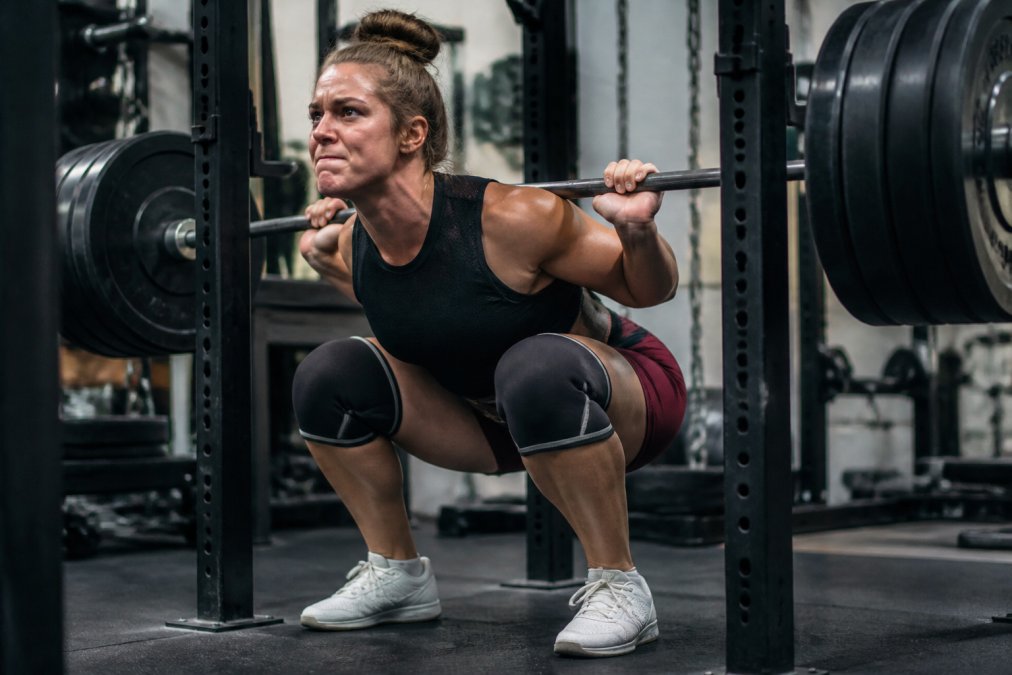
Here's how the mechanics work: your muscles contract during lifting, which naturally compresses the veins running through them. Compression gear amplifies this effect by applying external pressure that helps push blood upward. Without this assistance, blood can pool in your lower legs and feet during and after training, reducing oxygen availability to active muscles. With compression, blood circulates more efficiently, delivering fresh oxygen and removing carbon dioxide and other metabolic byproducts.
The result is improved tissue oxygenation during your workout. Your muscles receive consistent oxygen supply, which delays the onset of fatigue and allows you to maintain performance through additional reps. This isn't a massive performance boost, it's measurable but incremental. Many athletes report feeling less "dead leg" sensation during longer sets, which correlates with better oxygen delivery to working muscles. The vasodilation that occurs with improved blood flow also supports nutrient delivery, which becomes critical during multi-hour training sessions or high-volume days.
Muscle Recovery and Delayed Onset Muscle Soreness (DOMS)
Delayed onset muscle soreness, or DOMS, peaks 24-72 hours after intense training and results from microtrauma to muscle fibers. Compression gear addresses DOMS through multiple mechanisms: it reduces swelling and edema, accelerates lactic acid clearance, and supports tissue repair.
When you train hard, your muscles experience controlled damage that triggers adaptation. However, inflammation and swelling can delay recovery. Compression reduces edema by preventing fluid accumulation in muscle tissue, which decreases soreness and stiffness. The pressure also facilitates the removal of metabolic waste products that accumulate during training, particularly lactate and other byproducts that contribute to that heavy, fatigued feeling.
Wearing compression during recovery, not just during training, extends these benefits. Many serious lifters wear compression gear for 2-4 hours post-workout while their muscles are still pumped and actively clearing waste. The pressure helps push metabolic byproducts back into circulation where they can be processed and eliminated. This accelerates recovery kinetics and reduces the intensity of DOMS, allowing you to train hard again sooner without compromising movement quality.
How Long Should You Wear Compression Gear
The optimal duration depends on your training intensity and recovery needs. During workouts, wear compression for the full session, removing it mid-training disrupts the benefits. Most athletes wear compression sleeves, leggings, or shorts for 60-90 minutes of training without issue.
Post-workout, compression becomes a choice based on your schedule and comfort. Wearing compression for 2-4 hours after intense training maximizes swelling reduction and metabolic waste clearance. However, you don't need to wear it all day. The most critical window is immediately after training when your muscles are still pumped and circulation is elevated. Even 1-2 hours of post-workout compression provides meaningful benefit.
Overnight compression is optional. Some athletes sleep in compression gear on heavy training days to support recovery, while others find it uncomfortable and skip it. The research suggests that post-workout compression delivers most of the benefit; overnight wear adds marginal gains for most lifters. Listen to your body, if compression feels restrictive while sleeping, the discomfort likely outweighs the recovery benefit.
Consistency matters more than duration. Wearing quality compression gear regularly during training delivers cumulative benefits. Sporadic use provides minimal advantage because the adaptations depend on repeated sessions where your circulatory system and muscle stabilization receive consistent support.
Compression Gear Recovery Benefits for Heavy Lifting
Heavy lifting creates unique demands that compression addresses directly. When you're under load, squatting, deadlifting, benching with significant weight, your muscles work hard to stabilize and move the load. Compression provides joint support and muscle stabilization that reduces strain on connective tissue and allows you to maintain better form under fatigue.
The proprioceptive feedback from compression also matters. Proprioception is your body's awareness of position and movement in space. Compression gear enhances proprioceptive signals by providing consistent sensory input from the compressed tissues, which helps you maintain body awareness and control during heavy sets. This translates to better lifting mechanics and reduced injury risk when fatigue starts to compromise your form.
For recovery specifically, heavy lifting generates significant metabolic stress and muscle damage.
Mayhem Performance Apparel Women's Line
Mayhem Performance Apparel is launching a dedicated women's line in November 2026, featuring leggings and lifting shorts engineered specifically for female athletes. The line addresses fit and functionality gaps in existing compression options that remain true to Mayhem Performance Apparel’s commitment to quality fitness apparel that is intentionally designed for functionality and durability.
Risks, Contraindications, and What Compression Cannot Do
Compression gear is generally safe for healthy athletes, but certain conditions warrant caution or medical consultation. If you have circulatory issues, deep vein thrombosis (DVT) history, lymphedema, or compromised blood flow, consult your doctor before wearing compression. Compression increases venous return, which can be problematic for people with existing vascular complications. Additionally, if you have active skin conditions, eczema, psoriasis, open wounds, or severe acne in areas where compression gear contacts your skin, compression can trap moisture and bacteria, worsening the condition.
Maintenance and Longevity: How to Preserve Compression Benefits
Compression fabric degrades with improper care, which is why maintenance directly impacts how long your gear actually delivers benefits.
What Compression Cannot Do
Compression gear cannot prevent injury by itself. While it provides joint support and stabilization, it doesn't replace proper form, progressive loading, or adequate recovery. Athletes sometimes rely on compression as a substitute for addressing underlying movement dysfunction or overtraining, which leads to injury anyway. Compression is a tool that supports performance and recovery, not a replacement for smart training practices.
Frequently Asked Questions
Is compressive gym gear actually effective for heavy lifting?
Yes. Compression gear supports joints and muscles by improving venous return, which accelerates lactic acid clearance and reduces metabolic waste buildup. For powerlifters and strength athletes, this means faster recovery between sets and less perceived exertion during heavy compound movements. The effect is measurable but not dramatic—expect modest gains in endurance and soreness reduction, not strength increases.
How long should you wear compression gear during training?
Wear compression gear throughout your training session for maximum benefit. Most athletes keep it on for 1–3 hours post-workout to support the recovery window when blood flow and tissue repair are most active. Wearing it longer (8+ hours) offers no additional benefit and may restrict natural movement. Remove it if you experience numbness, tingling, or skin irritation.
Does compression clothing help with muscle soreness after training?
Compression reduces delayed onset muscle soreness (DOMS) by supporting tissue repair and reducing swelling. Studies show it works best when worn during and immediately after exercise. The effect is modest—you'll notice less stiffness and faster return to full range of motion, but soreness won't disappear entirely. Pairing compression with proper nutrition and sleep maximizes recovery kinetics.
What are the downsides of wearing compression gear too long?
Prolonged compression (8+ hours daily) can restrict natural blood flow, cause skin irritation, and reduce proprioception if worn constantly. It may also create a false sense of support, leading athletes to skip mobility work or ignore underlying joint instability. Compression is a tool for recovery and performance, not a substitute for proper training mechanics or injury prevention.
0 comments