
Quick Summary
The most useful crossfit recovery tools are a foam roller, a massage gun for stubborn spots, and compression gear, with sleep, nutrition and rest days forming the foundation. Cold plunges, saunas and other add-ons are optional and have weaker evidence. Match each tool to your dominant training stress and buy only what you will use consistently.
- Sleep, nutrition and appropriate periodization are proven fundamentals that athletes can overlook.
- Roll slowly, about one inch per second, pausing on tender spots for 20 to 30 seconds.
- Use lighter massage gun settings on sensitive areas and skip them after an acute injury.
- Cold immersion after strength work may dampen hypertrophy and strength adaptations.
- Track soreness for two to three weeks before spending on any device above $100.
Table of Contents
- Why CrossFit Athletes Need a Recovery Plan
- Foam Roller for Muscle Recovery
- Massage Gun for Athletes: When It Helps and When It Doesn't
- Compression Gear for Recovery After Heavy Sessions
- Cold Plunges, Saunas and Other Recovery Options
- Choosing Tools by Workout and Budget
- Why a CrossFit Rest Day Still Matters
- Building Your Recovery Routine on the Gear You Already Own
- Frequently Asked Questions
Why CrossFit Athletes Need a Recovery Plan
Last Updated: October 31, 2026
CrossFit places heavy demands on the body, and the recovery work you do between sessions often decides how well the next workout goes, which is why choosing the right crossfit recovery tools matters. Mayhem Performance Apparel built this guide for athletes who train hard and want to recover smarter. The research on recovery is still developing.
A 2022 study published through PubMed Central tracked trained adult men after the CrossFit workout "Karen," measuring physiological, psychological, and performance recovery over time. Time Course of Recovery Following CrossFit Karen study The findings underline why recovery should be planned, not left to chance.
Recovery is not one thing. Sleep, nutrition, and rest days come first, and the tools in this guide sit on top of those basics. Sportsmith makes this point directly, noting that adequate sleep, optimal nutrition, and appropriate periodization are proven fundamentals that athletes can overlook while chasing recovery gadgets. Sportsmith assessment of 10 recovery tools and techniques
Treat the seven crossfit recovery tools below as a menu, not a checklist. Start with the basics, then add what fits your training load and budget.
Foam Roller for Muscle Recovery
A foam roller is the cheapest recovery tool most CrossFit athletes will ever buy. Rolling applies pressure to tight muscle tissue.
Roll slowly, about one inch per second, and pause on tender spots for 20 to 30 seconds. Avoid rolling directly over joints or bruised areas.
Consistency matters more than intensity. Ten minutes after a hard session beats a single painful hour once a week.
Massage Gun for Athletes: When It Helps and When It Doesn't
Massage guns deliver percussive pressure into muscle tissue. They are useful for targeting specific knots or sore spots that a foam roller cannot reach.
They do not replace stretching, sleep, or rest. Overusing a massage gun on already-bruised tissue can make soreness worse, so use lighter settings on sensitive areas and skip them entirely after an acute injury.
Compression Gear for Recovery After Heavy Sessions
Compression clothing is designed to apply consistent pressure to the limbs.
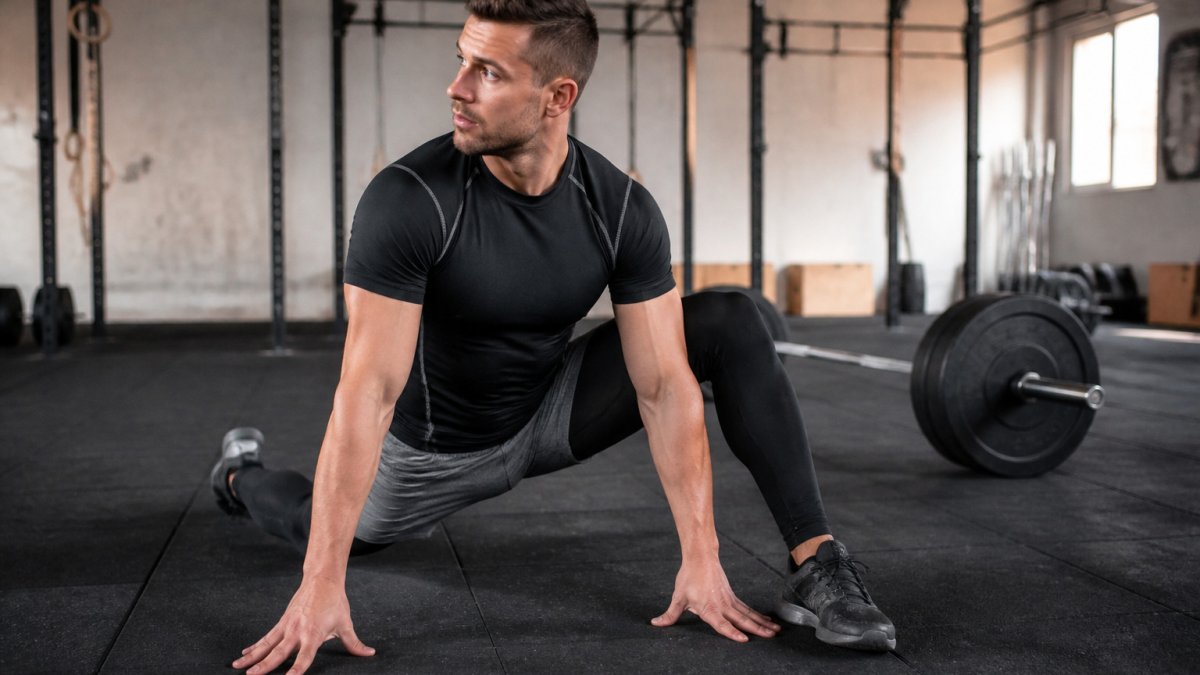
If you are shopping for training apparel that holds up under heavy use, the Moisture Wick Track Pants ($74.99) and Midweight Fleece Joggers ($59.99) from Mayhem Performance Apparel are built for repeated wear. The Moisture Wick Shorts ($49.99) suit high-intensity sessions. Pair any of these with your recovery routine on rest days.
Cold Plunges, Saunas and Other Recovery Options
Cold and heat exposure are the two recovery categories CrossFit athletes ask about most, and they are also the two where marketing runs furthest ahead of the evidence. Treat them as optional add-ons, not essentials.
Cold plunges and cold water immersion
A key trade-off for CrossFit athletes: some research suggests that routinely cooling down immediately after strength work may dampen the hypertrophy and strength adaptations you are training for. If your goal is muscle growth or maximal strength, consider saving the plunge for competition days, back-to-back training days, or hot-weather conditioning sessions rather than every lifting session.
Infrared saunas and heat exposure
Saunas typically run 150-195°F (65-90°C) for 10-20 minutes. Heat raises blood flow and heart rate and may support relaxation and perceived recovery. The evidence for heat as a performance-recovery tool is limited and inconsistent; most practitioners treat sauna use as a relaxation and sleep-support habit rather than a proven recovery intervention. Hydrate before and after, and avoid sauna use immediately after dehydrating conditioning workouts.
Other options you will see marketed
- Contrast therapy (alternating cold and hot) is popular but has weaker and more mixed evidence than either cold or heat alone.
- Compression boots apply sequential pressure to the legs; users often report reduced heaviness after high-volume squat or conditioning days, though research on performance outcomes is limited.
- Red light therapy and infrared devices have some support for localized soreness and skin healing, but claims about systemic recovery or performance are not well established.
- Cryotherapy chambers are expensive and the evidence does not clearly outperform simpler cold water immersion.
A Gatorade Sports Science Institute review of recovery techniques covers hydrotherapy, active recovery, stretching, compression, and massage, and notes that the value of each depends on the athlete and the training context. Gatorade Sports Science Institute recovery techniques review
Choosing Tools by Workout and Budget
CrossFit athletes face a specific mix of stressors, heavy barbell work, high-volume gymnastics, and metabolic conditioning, and the right tool depends on which stressor is dominating your week. Use this decision guide to match tools to the session type and to your budget.
Match the tool to the workout
- Heavy lower-body days (squats, deadlifts, cleans): a foam roller for quads, glutes, and adductors, plus compression tights or boots if you have them. Prioritize sleep and protein over gadgets.
- High-volume gymnastics (pull-ups, handstand work, ring dips): a massage gun on forearms, lats, and upper back, plus mobility work for shoulders and wrists. Grip and forearm soreness is the limiter here, not leg recovery.
- Metabolic conditioning (long AMRAPs, rowing, running): active recovery, easy walking, and hydration matter more than any device. Compression sleeves can help with lingering leg heaviness.
- Olympic lifting days: prioritize mobility work for hips, ankles, and thoracic spine; a lacrosse ball or peanut tool works well for upper-back tightness.
- Competition or back-to-back training days: cold water immersion and compression boots are the most commonly used acute options, but plan them around your adaptation goals.
Essential versus optional gear
Optional or situational:
- Cold plunge tub or membership, costs vary widely; a cold shower or ice bath is a lower-cost alternative.
- Infrared sauna, typically the most expensive category and the weakest evidence base for performance recovery.
- Red light therapy devices, treat as experimental for recovery purposes.
A practical buying order
- Foam roller and massage ball.
- Sleep, nutrition, and hydration habits.
- Compression sleeves if you train legs or conditioning frequently.
- Massage gun if you have persistent tight spots.
- Cold plunge or boots only if your training volume and budget justify them.
Many CrossFit athletes begin with a foam roller and add other tools as their training load grows. The best recovery setup is the one you will actually use consistently, not the most expensive one on the market.
The right tool depends on which stressor dominates your week, so match the session type to the gear that addresses it. For a broader look at equipment across lifting and cardio, see a CrossFit buying guide covering shoes, apparel, and accessories.
| Session type | Priority tool | Why |
|---|---|---|
| Heavy lower-body days | Foam roller, compression tights or boots | Quads, glutes and adductors take the load |
| High-volume gymnastics | Massage gun, mobility work | Grip and forearm soreness is the limiter |
| Metabolic conditioning | Active recovery, hydration, compression sleeves | Leg heaviness and fluid loss matter most |
| Olympic lifting days | Mobility work, lacrosse ball | Hips, ankles and upper back tightness |
| Competition or back-to-back days | Cold water immersion, compression boots | Most common acute options |
Why a CrossFit Rest Day Still Matters
Gear cannot replace rest. A full rest day, or a light movement day, lets tissue repair and gives the nervous system time to recover.
Plan at least one lighter day per week. Use it for walking, easy mobility work, and sleep. A rest day is part of the program, not a break from it.
Building Your Recovery Routine on the Gear You Already Own
Most athletes do not need a new collection of gadgets to recover well. Start with what you have: a foam roller, comfortable training clothes, and a consistent sleep schedule. Add one tool at a time and track how your body responds over several weeks.
A simple routine: roll for 10 minutes after training, stretch for 5 minutes before bed, and take one full rest day each week.
Frequently Asked Questions
What recovery tools do CrossFit athletes need?
Most CrossFit athletes get the most from a short list: a foam roller for soft-tissue work, a sleep-first routine, and clothing that stays in place and dries quickly through repeated sessions. Massage guns and compression gear are useful add-ons once the basics are consistent. Start with what you use daily, then add tools only if they solve a problem you actually have, such as lingering soreness after a specific workout type.
Do massage guns help CrossFit recovery?
Use one for a few minutes on sore areas rather than long sessions, and skip it on any area with sharp pain, swelling or an unexplained injury.
Are foam rollers effective for muscle recovery?
Roll slowly over the big muscle groups used in squats, deadlifts and pulling movements, and avoid rolling directly over joints or bruised tissue.
Should you use compression gear after a CrossFit workout?
Choose breathable, durable fabric that fits snugly without restricting circulation, and stop wearing it if it causes numbness, tingling or discomfort.

0 comments