
Table of Contents
- How We Evaluated High Performance Shirts
- High Performance Shirts Compared: Specs and Pricing
- Moisture-Wicking Gym Shirts: What Actually Keeps You Dry
- Cooling Performance Shirts for Hot Gyms and Outdoor Training
- Durable Gym Shirts for Men: Stitching, Weight, and Wash Life
- Best Shirts for Weightlifting: Cut, Stretch, and Bar Clearance
- Fit, Care, and Long-Term Performance
- Verdict: Which High Performance Shirt Fits Your Training
- Frequently Asked Questions
Last Updated: October 13, 2026
How We Evaluated High Performance Shirts
High performance shirts are training garments built from technical fabrics that manage sweat, resist odor, and hold their shape through repeated washing. At Mayhem Performance Apparel, we build gear for athletes who train under load, so we judge every shirt by how it survives the work, not how it looks on a hanger.
Most reviews rank shirts on feel and color. We rank them on what fails first: seams, collars, and fabric weight after fifty washes. Our criteria:
- Fabric function: Does it move sweat away from skin, or just absorb it?
- Construction: Double-needle stitching, side seams, and collar reinforcement
- Fit: Athletic cut that clears the shoulder without binding
- Wash life: Shape retention after repeated laundering
- Value: Cost per training session, not sticker price alone
According to textile performance guidance from the American Association of Textile Chemists and Colorists, moisture management and durability are separate properties, and a shirt can excel at one while failing the other. That distinction shapes everything below.
High Performance Shirts Compared: Specs and Pricing
The three Mayhem Performance Apparel shirts below cover the main training categories: all-purpose technical tees, heavyweight cotton tees, and hot-weather tanks.
| Shirt | Fabric | Weight | Price | Best For |
|---|---|---|---|---|
| Classic Performance T | Technical performance blend | Lightweight | $49.99 | Lifting, cardio, all-day wear |
| Heavyweight Oversized T | 7.5 oz 100% cotton | Heavyweight | $59.99 | Recovery days, layering, casual training |
| Classic Performance Tank | 4.2 oz polyester-cotton-modal tri-blend | Lightweight | $44.99 | Heat, conditioning, high sweat volume |
The Classic Performance T is our most versatile pick.


The Heavyweight Oversized T runs 7.5 oz cotton with a reinforced double-needle stitched collar.
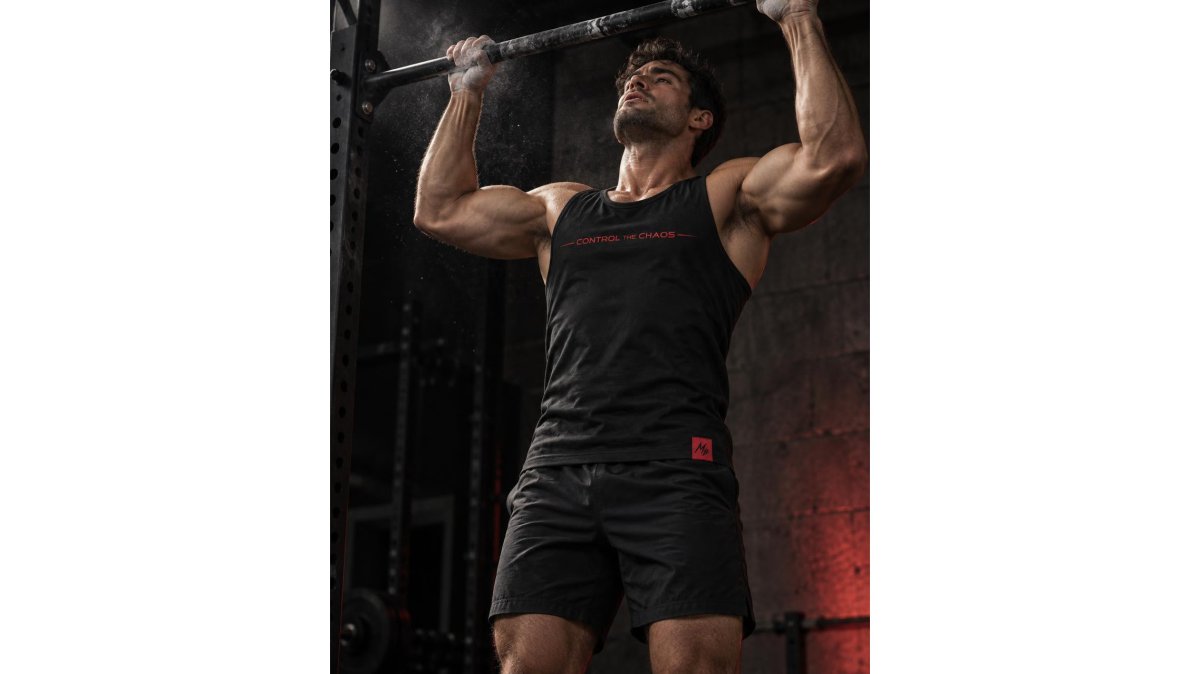
The Classic Performance Tank drops to 4.2 oz with a polyester, cotton, and modal blend and side-seam construction that helps it keep its shape through frequent washing.
Moisture-Wicking Gym Shirts: What Actually Keeps You Dry
Moisture-wicking gym shirts move sweat to the fabric surface where it evaporates faster than cotton allows. The mechanism matters less than the result: a wicking shirt stays light when wet, while cotton gets heavy and clings. That much is on every product page. What most guides skip is how you actually tell a good wicking shirt from a bad one before you buy it, and how the fabric gets tested in the first place.
How moisture management is actually evaluated
The properties behind a wicking claim are measurable, and the tests are standard in the textile industry. The textile performance guidance from the American Association of Textile Chemists and Colorists treats moisture management and durability as separate properties, and a shirt can excel at one while failing the other. Three tests matter most for training gear:
- Vertical wicking rate: A strip of fabric is suspended with its bottom edge in water, and the height the water climbs in a set time is measured. Faster climb means sweat spreads across more surface area and evaporates sooner instead of pooling in one spot.
- Drying time: A saturated sample is weighed at intervals until it returns to its dry weight. This is the number that predicts whether a shirt feels clammy ten minutes into a session or twenty.
- Air permeability: A measured volume of air is pushed through the fabric under a fixed pressure drop. Higher airflow means more ventilation, which is why a 4.2 oz tank and a 7.5 oz cotton tee behave nothing alike in a hot room.
You will not see these numbers on a hangtag, but you can approximate them. Hold a shirt up to a light, if you can see through it clearly, airflow is high. Dampen a corner and watch how fast the wet spot spreads and fades. A fabric that spreads the spot wide and dries it quickly is doing the work; one that holds a tight dark patch is not.
Why fiber choice is only half the story
Polyester and nylon are the workhorses because they absorb almost no water. Blends add softness without killing the wicking action. Our Classic Performance Tank uses polyester, cotton, and modal together, which keeps the hand feel soft while the polyester does the drying work.
What most guides miss is that fit controls wicking as much as fiber does. A shirt that presses flat against soaked skin cannot move moisture anywhere, there is no air gap for vapor to escape into.
Cooling Performance Shirts for Hot Gyms and Outdoor Training
Cooling performance shirts work on two fronts: they move sweat away, and they let air through. Fabric weight drives the second part, and lighter almost always wins in heat. But "lighter wins" is where most guides stop, and it is not enough, the right shirt depends on the activity, the climate, and how hard you are pushing. Here is how to match the shirt to the session.
Recommendations by activity and intensity
- Hot-weather running: Go as light as possible. The Classic Performance Tank at 4.2 oz is the pick, less fabric means more ventilation, and the tri-blend construction stays breathable even when saturated. For long runs in direct sun, the Classic Performance T adds built-in UV protection, which matters more than most runners admit.
- Indoor gym training in a warm room: Airflow is limited by the building, so fabric weight does the work. The Classic Performance T balances breathability with enough structure to stay put through lifting; the tank is the better call if you sweat heavily.
- Hiking and outdoor work: You want UV protection and a fabric that does not cling when soaked. The Classic Performance T covers both. Avoid heavyweight cotton here, once it wets out, it stays wet and heavy for hours.
- Team sports and interval work: High sweat volume plus repeated stops and starts means drying speed matters most. Lightweight technical fabric beats cotton every time, because cotton holds moisture against the skin between efforts.
- Everyday wear in heat: A lightweight technical tee is comfortable, but if you want a structured look, the Heavyweight Oversized T is breathable for a 7.5 oz cotton tee, just understand it is a cool-weather and recovery shirt, not a summer training shirt.
Climate and conditions change the answer
Humidity is the variable most guides ignore. In dry heat, sweat evaporates quickly and almost any lightweight technical fabric works.

A common mistake is wearing heavyweight cotton in a hot gym because it feels substantial.
The CDC guidance on heat and physical activity notes that what you wear affects how your body handles heat during exertion. Lighter, breathable layers help; heavy, saturated fabric works against you.
Durable Gym Shirts for Men: Stitching, Weight, and Wash Life
Durable gym shirts for men fail at predictable points: the collar, the side seams, and the hem. Fabric quality matters, but construction decides whether a shirt survives a training year.
Two details separate gear that lasts from gear that does not:
- Double-needle stitched collars resist the stretch that turns a crew neck into a scoop neck
- Side-seam construction holds the shirt's shape instead of twisting in the wash
The Heavyweight Oversized T carries a reinforced double-needle stitched collar, which is the single most durable collar in our lineup. The Classic Performance Tank uses side-seam construction for shape retention.
The thing nobody tells you about wash life is that heat does more damage than friction.
Best Shirts for Weightlifting: Cut, Stretch, and Bar Clearance
The best shirts for weightlifting clear the bar path, stay put through a squat, and do not bind at the shoulder when you press overhead. That comes down to cut, not fabric technology.
Raglan sleeves are the key detail. By running the seam from collar to underarm instead of across the shoulder, the Classic Performance T gives the shoulder and chest unrestricted movement.
Bar clearance is a fit question. An oversized shirt drapes and can catch on the bar during front squats or cleans.
Fit, Care, and Long-Term Performance
Fit drives performance more than any spec sheet admits. An athletic fit clears the shoulder and chest; an oversized fit drapes and layers.
For sizing, our shirts are cut as described: the Classic Performance T and Tank run athletic, and the Heavyweight Oversized T is made to fit oversized by design.
Care rules that protect the investment:
- Wash cold, dry low, and skip fabric softener
- Turn shirts inside out to reduce surface abrasion
- Air dry performance fabrics when you can
- Do not iron prints or treated fabric directly
- Rotate three or more shirts instead of training in one
Odor control follows the same logic. The FTC guidance on textile labeling and care claims requires care instructions to reflect how a garment should actually be maintained, so follow the label rather than a generic rule.
Verdict: Which High Performance Shirt Fits Your Training
Match the shirt to the session, not to a single "best" label. The Classic Performance T at $49.99 is the right answer for most athletes: lightweight, breathable, moisture-managing, and cut with raglan sleeves for overhead work. If you train hot and sweat heavily, the Classic Performance Tank at $44.99 moves more air. If you want a structured, durable cotton tee for recovery days and layering, the Heavyweight Oversized T at $59.99 is built for exactly that.
Frequently Asked Questions
Are Dri-FIT and performance shirts the same?
Not exactly. Dri-FIT is a trademarked fabric name used by one brand, while performance shirts is a broader category covering any top built for moisture-wicking, breathability, and stretch. Two shirts can both count as high performance shirts even if one uses polyester and the other uses a tri-blend like polyester, cotton, and modal. Check the fabric content and function, not just the label.
What fabric is best for a workout shirt?
It depends on the session. Polyester and nylon blends dry fast and manage sweat well for high-intensity work. Tri-blends with modal, like the 4.2 oz fabric in the Classic Performance Tank, add softness while staying breathable. Heavyweight 100% cotton, like the 7.5 oz Heavyweight Oversized T, trades quick-drying for structure and everyday comfort. Match the fabric to how much you sweat and how often you wash.
How should a performance shirt fit?
It should sit close without binding. An athletic fit with raglan sleeves, like the Classic Performance T, keeps the shoulder and chest free through overhead presses and rows. If you want room for layering or prefer a relaxed silhouette, the intentionally oversized Heavyweight Oversized T gives unrestricted movement by design. Avoid sizing up just to get length, since a loose hem catches on bars and benches.
How do you wash performance shirts so they last?
Turn them inside out, wash cold on a gentle cycle, and skip the dryer or use low heat. Fabric softener coats moisture-wicking fibers and reduces how well they move sweat, so leave it out. Tagless designs and reinforced collars, like the double-needle stitching on the Heavyweight Oversized T, hold up better to repeated washing. Air-drying keeps stretch and shape intact longer than high heat.
Are performance shirts good for weightlifting?
Yes, when the cut and fabric support the lift. Look for stretch, a tagless neckline, and sleeves that clear the shoulder without bunching. The Classic Performance T uses lightweight breathable fabric with raglan sleeves for unrestricted shoulder and chest movement, which matters for squats, presses, and pulls. Cotton-heavy shirts work for warm-ups and recovery days, but a technical fabric handles repeated heavy sessions better.
Training does not care whether your gear was on sale. It cares whether the shirt is still intact in month six, which is the standard we build to at Mayhem Performance Apparel. Every piece in our lineup uses durable construction, breathable fabric, and tagless comfort so it holds up under repeated stress. Shop now and train in gear designed to endure as long as you do.
0 comments