
Table of Contents
- Why Lifters Are Searching for a Hylete Alternative
- Quick Comparison: Mayhem Performance Apparel Lineup
- Durable Gym Shorts for Powerlifting: What to Look For
- How to Choose Powerlifting Apparel That Lasts
- Budget-Tier vs. Premium-Tier Powerlifting Gear
- Powerlifting-Specific Features General Fitness Brands Skip
- Frequently Asked Questions
Last Updated: September 17, 2026
Why Lifters Are Searching for a Hylete Alternative
Athletes who built their wardrobes around one brand are now looking for a hylete alternative for powerlifting gear, and the reasons come down to fit, fabric weight, and how the gear holds up under a loaded bar. At Mayhem Performance Apparel, we hear the same thing from lifters who switched: they want apparel engineered for the platform, not the treadmill.
What Changed for Longtime Hylete Customers
Longtime customers report the same pattern. Gear that once felt purpose-built now reads as general fitness apparel, and sizing has drifted across product lines.
That matters more in powerlifting than almost anywhere else. A squat suit, lever belt, and knee sleeves all interact with what you wear underneath.
What Powerlifters Actually Need From Training Apparel
Powerlifting apparel is clothing engineered to hold its shape under maximal load, manage sweat across long rest periods, and move through a full range of motion without binding. Three requirements matter most:
- Squat-proof coverage. No riding up, no shearing at the hip crease.
- Fabric weight that survives abrasion. Knurling, belt buckles, and platform contact all chew through thin material.
- Moisture management. Cotton gets heavy when soaked, and heavy fabric under a belt is a distraction you cannot afford mid-attempt.
Gear that lasts is built for repetition.
Quick Comparison: Mayhem Performance Apparel Lineup
Here is how the Mayhem Performance Apparel lineup breaks down for lifters, with the price and training context that matters.
Product |
Price |
Fabric |
Best For |
|---|---|---|---|
$49.99 |
3.5 oz poly/spandex |
Squat and deadlift days |
|
$74.99 |
7.8 oz poly/spandex |
Cold gyms, warm-ups |
|
Midweight Fleece Joggers |
$59.99 |
8.25 oz cotton blend |
Recovery and off days |
$49.99 |
Technical performance fabric |
Every session |
|
Midweight Performance Hoodie |
$99.99 |
8 oz Airlume sponge fleece |
Warm-ups and meet days |
Durable Gym Shorts for Powerlifting: What to Look For
Durable gym shorts for powerlifting need enough fabric weight to resist abrasion, and seams that will not blow out under a wide stance. The spec sheet is where you catch that before you buy.

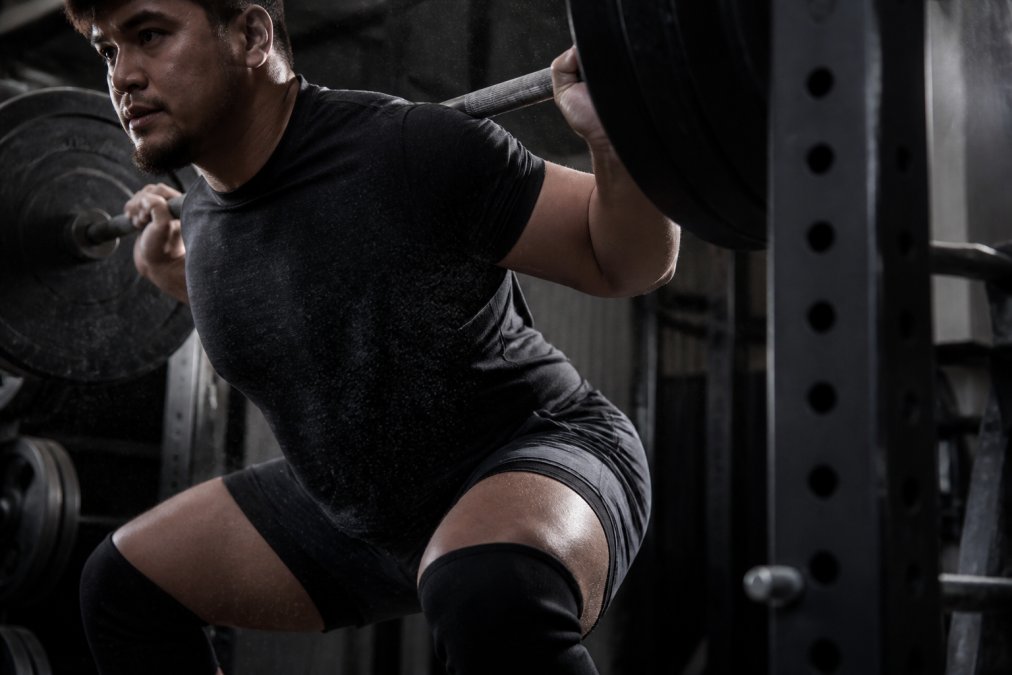
The Four Failure Modes That Kill Shorts Under a Bar
Knurling abrasion. Aggressive bar knurling acts like a file against fabric on every deadlift setup. A short that brushes the bar on the way to lockout loses fibers each rep, concentrated and repetitive, not incidental.
Fabric Weight, Gusset Design, and Seam Construction
Fabric weight is measured in ounces per square yard. Lightweight blends around 3.5 oz are built for breathability and stretch; heavier knits resist abrasion but hold sweat. The trade-off depends on how you train.
Why the Moisture Wick Shorts Fit Heavy Lifting Sessions
The Moisture Wick Shorts are built from a lightweight 3.5 oz poly/spandex blend with moisture-wicking technology, four-way stretch, and a 7-inch inseam. The four-way stretch matters most: it moves through a deep squat without pulling at the waistband, and the blend dries faster than cotton through a five-minute rest.
A Note on Federation Rules and Meet-Day Gear
If you compete, check your federation's rulebook before you buy. Most federations regulate supportive equipment, squat suits, bench shirts, briefs, belts, but leave general apparel like shorts and t-shirts to the lifter's discretion, provided the gear does not assist the lift. Shorts are almost never what gets you flagged; what does is anything read as assisting a lift or violating a coverage dress code.
How to Choose Powerlifting Apparel That Lasts
Choosing powerlifting apparel that lasts comes down to testing three things before you commit: range of motion, fit under your belt, and how the fabric behaves when wet. Pass all three and it survives a training block.
Fit, Sizing, and Range of Motion Checks
Run this checklist in the fitting room or on your first wear:
- Squat to full depth with no waistband roll
- Set up for a deadlift and check for fabric bunching at the hip
- Reach overhead and confirm the shirt hem stays put
- Wear your belt over the garment and check for pinching
- Do 10 bodyweight reps and note any seam irritation
Training vs. Casual Wear Versatility
Versatility matters more than most lifters admit. A short you can wear to the gym and out afterward earns its price. The Classic Performance T is built for exactly that: tagless, moisture-managing, with built-in UV protection and an athletic fit that does not read as gym-only. The Midweight Performance Hoodie does the same for warm-ups, with an 8 oz Airlume combed cotton sponge fleece body and ribbed cuffs that hold shape through repeated washing.

Do not size down to get a tighter fit. Compression is not the same as support, and a short that is too tight will roll at the waistband the moment you hit depth. Size for the squat, not for the mirror.
Budget-Tier vs. Premium-Tier Powerlifting Gear
Here is the breakdown by what wears out first.
What Actually Wears Out, and in What Order
Across a training block, the order of failure is predictable:
- Waistband elasticity. Once the elastic relaxes, the short rolls under a belt.
- Crotch seam.
- Fabric at the belt contact point. Pilling and thinning where the buckle drags.
- Color and print. Cosmetic, but it is what makes lifters replace gear that is still structurally sound.
The Tiers, Broken Down by Construction
Where the tiers differ:
- $40 to $80: Performance blends, reinforced waistbands. This is the working range for most lifters, and it is where the Moisture Wick Shorts, Track Pants, and Joggers sit.
- $80 and up: Heavier knits and premium fleece construction, like the Performance Hoodie. Justified for warm-up layers and meet-day kit, where you want a garment that reads as intentional rather than improvised.
The Moisture Wick Track Pants land in the middle tier at $74.99 with a 7.8 oz poly/spandex blend, zippered side pockets, and ankle zippers for quick changes over shoes, a detail that only matters if you have stripped off pants between flights at a meet.

Cost Per Session: The Math That Actually Matters
The math is straightforward once you frame it per session rather than per purchase. A $49.99 short lasting two years covers about 400 sessions, roughly 12 cents per session.
Where the Premium Tier Is Not Worth It
Premium pricing is not automatically justified. For a garment you wear once a week, or a layer that never touches a bar, the construction premium buys very little, a hoodie worn for warm-ups and meet-day staging does not see the abrasion a training short does.
A Note on Fabric Sourcing and Longevity
One variable the price tiers do not capture is fabric consistency. Brands that switch mills between production runs can ship a second batch that fits and wears differently from the first, the inconsistency that sends longtime customers of any brand searching for a replacement.
Powerlifting-Specific Features General Fitness Brands Skip
Powerlifting gear solves problems that only show up under a loaded bar.
Frequently Asked Questions
Are there brands that offer better durability than Hylete for heavy lifting?
Durability comes down to fabric weight, seam construction, and how the garment handles repeated stress. Look for performance blends with four-way stretch and tightly knit construction rather than thin cotton. Mayhem Performance Apparel builds its lineup around repeated training: the Moisture Wick Shorts use a 3.5 oz poly/spandex blend, the Track Pants use a 7.8 oz poly/spandex blend, and the Joggers use an 8.25 oz heavyweight cotton blend with 3-end fleece designed to resist everyday wear. Those specs matter more than brand name when you are racking up sessions under load.
What should I look for in durable gym shorts for powerlifting?
Prioritize three things: fabric weight, stretch, and inseam length. A poly/spandex blend with four-way stretch lets you hit depth without the fabric binding. A 7-inch inseam, like the one on the Mayhem Moisture Wick Shorts, gives coverage without restricting movement. Moisture-wicking matters too, because heavy lifting sessions generate real sweat, and cotton holds that moisture against your skin.
How does Mayhem Performance Apparel compare to other training brands?
Mayhem builds specifically for athletes who train under load and repeat sessions week after week. The catalog covers the full training kit: the Classic Performance T at $49.99, Moisture Wick Shorts at $49.99, Midweight Fleece Joggers at $59.99, Moisture Wick Track Pants at $74.99, and the Midweight Performance Hoodie at $99.99. Every piece lists durable construction and performance fabric as a core feature, not an afterthought.
Do I need specialized clothing for powerlifting, or will any gym gear work?
Any gym gear will get you through a session. Powerlifting puts specific stress on fabric: squat depth stretches the hip and thigh area repeatedly, belts rub against waistbands, and deadlift setups drag fabric across the platform. Gear with four-way stretch, moisture-wicking fabric, and reinforced construction handles that wear better.
What are the most durable workout shorts for squats and deadlifts?
Look for a performance blend with four-way stretch and moisture-wicking technology. The Mayhem Moisture Wick Shorts are built for this: a lightweight 3.5 oz poly/spandex fabric with a 7-inch inseam that balances coverage and freedom of movement. The fabric is designed to endure relentless use, and the four-way stretch means the shorts move with your hips through full squat depth instead of pulling or restricting. For deadlift days, the same stretch and durability apply when you are setting up and pulling heavy.
0 comments