
Table of Contents
- Quick Comparison: Performance Apparel for Extreme Conditions
- How Moisture-Wicking Fabric Technology Handles Sweat Under Load
- Durable Workout Gear for Heavy Lifting: What Holds Up
- How to Choose Athletic Apparel for Outdoor Training
- Pricing Breakdown: What You Pay for Performance Apparel
- Maintaining Technical Fabrics for Long-Term Performance
- Conclusion
- Frequently Asked Questions
Last Updated: September 16, 2026
Quick Comparison: Performance Apparel for Extreme Conditions
Performance apparel for extreme conditions is clothing engineered to manage moisture, retain heat, and resist wind and abrasion when temperatures drop and physical output stays high. At Mayhem Performance Apparel, we build gear for athletes who train under load regardless of the weather, and this review breaks down what actually matters when you're choosing it. The category splits into three functional layers: a moisture-wicking base, an insulating mid-layer, and a windproof, water-resistant shell.
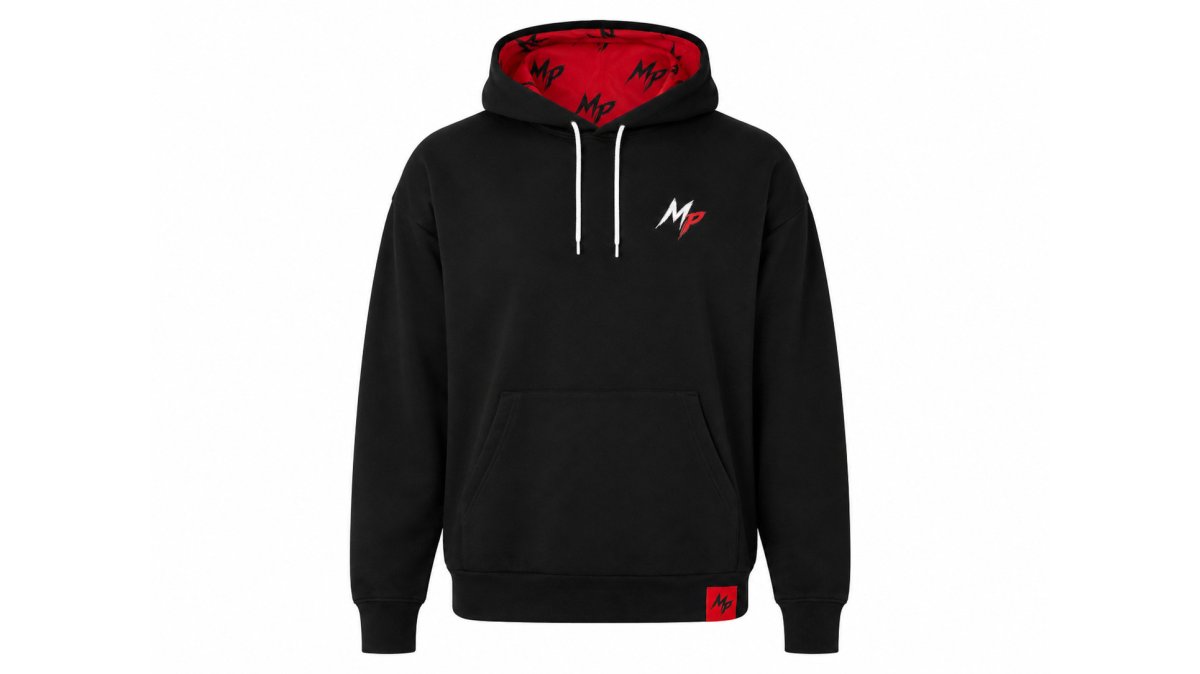
Here's the short version before the detail.
Layer |
Job |
Key Material Trait |
Mayhem Option |
|---|---|---|---|
Base |
Move sweat off skin |
Moisture-wicking poly/spandex |
Moisture Wick Shorts ($49.99) |
Mid |
Trap heat, stay breathable |
Fleece, cotton blend |
Midweight Performance Hoodie ($99.99) |
Outer |
Block wind and light rain |
DWR, abrasion-resistant face |
Moisture Wick Track Pants ($74.99) |
How Moisture-Wicking Fabric Technology Handles Sweat Under Load
Moisture-wicking fabric technology moves liquid sweat away from your skin to the outer surface of the fabric, where it evaporates faster. Synthetic fibers like polyester and spandex do this well because they don't absorb water the way cotton does. Cotton holds moisture against your body, which is exactly what you don't want in cold conditions.

Durable Workout Gear for Heavy Lifting: What Holds Up
Durable workout gear for heavy lifting has to survive abrasion from barbells, repeated washing, and constant stretch at the joints. The failure points are predictable: seams split, waistbands roll, and stretch fabric loses its recovery. Four-way stretch construction and reinforced side seams are what separate gear that lasts a season from gear that lasts years.
How Abrasion Resistance Is Actually Measured
Abrasion resistance isn't a marketing claim, it's a measurable fabric property. The two tests most commonly referenced in textile specifications are the Martindale test, which rubs fabric against a standard abrasive under a set pressure and records the number of cycles until the fabric shows wear, and the Taber test, which uses a rotating abrasive wheel. Higher Martindale cycle counts indicate a fabric that resists surface wear longer.
The Failure Mechanisms to Inspect Before You Buy
- Seam type: Flatlock or reinforced side seams distribute tension and resist splitting. A single overlock stitch on a high-stretch seam is the first thing to fail under load.
- Stitch density: Denser stitching (more stitches per inch) resists pull-out better than sparse stitching, but too dense can perforate and weaken the fabric. Look for even, tight stitching without puckering.
- Fabric recovery: Stretch the fabric and release it. If it returns to shape quickly, the spandex or elastane content is doing its job. If it stays stretched, it will sag at the knees and shoulders.
- Waistband construction: An elastic waistband with an adjustable drawstring stays put through squats and deadlifts, while a cheap elastic band rolls down under load. If you've fought a rolling waistband mid-set, you know how much it breaks your focus.
- Fiber content: Higher spandex percentages improve recovery but can reduce breathability. A poly/spandex blend in the range of roughly 10 to 20 percent spandex is a common balance for training gear.
Why Gear Failure Matters More Than It Looks
The psychological side of gear failure is real, and in extreme conditions it's also a safety issue. When a seam rips or a waistband rolls during a max attempt, you lose the set and some confidence in your equipment. In cold, wet, or remote settings, a shell that wets out or a base layer that stops wicking can turn a manageable session into a cold-stress event.
How to Choose Athletic Apparel for Outdoor Training
Choosing athletic apparel for outdoor training comes down to matching layers to conditions, not buying the heaviest option available. Start with the temperature range you'll actually train in, then build a layering system: wicking base, insulating mid-layer, and a windproof, water-resistant shell for the worst days.
Work through it in order:
- Set your temperature floor. Note the coldest conditions you train in, not the average.
- Pick the base layer for moisture management. Choose a synthetic, moisture-wicking fabric over cotton.
- Add a mid-layer for heat retention. Fleece or a heavyweight cotton blend traps warmth without blocking breathability.
- Choose a shell for wind and light precipitation. A durable water repellent (DWR) finish sheds light rain and blocks wind.
- Test mobility. Look for articulated joints or four-way stretch so layers don't restrict your range.
Temperature Rating Guidelines That Actually Hold Up
Most apparel brands don't publish a true temperature rating because comfort depends on output, wind, and individual physiology. What you can use instead is a working range tied to activity level. A common pattern among cold-weather athletes is to treat a wicking base layer alone as comfortable down to roughly 50°F during high-output work, add a light fleece mid-layer for the 30°F to 50°F band, and bring in an insulated or windproof shell below 30°F.
High-Visibility Safety Standards for Low-Light Training
If any part of your outdoor training happens at dawn, dusk, or in fog, high-visibility apparel is a safety requirement, not an accessory. If any part of your outdoor training happens at dawn, dusk, or in fog, high-visibility apparel is a safety requirement, not an accessory. For athletes training near roads, the practical takeaway is to combine fluorescent color with retroreflective elements.
Pricing Breakdown: What You Pay for Performance Apparel
Price in performance apparel tracks fabric weight, construction complexity, and finish treatments like DWR. A lightweight short costs less than a fleece mid-layer, and a seam-sealed shell costs more than both. Understanding what drives the number stops you from overpaying for features you won't use.
Product |
Price |
Fabric |
Best For |
|---|---|---|---|
$49.99 |
3.5 oz poly/spandex |
High-intensity training, warm indoor sessions |
|
Midweight Fleece Joggers |
$59.99 |
8.25 oz cotton blend |
Recovery days, cold-weather warm-ups |
$74.99 |
7.8 oz poly/spandex |
Cold-weather training, outdoor sessions |
|
$99.99 |
8 oz Airlume cotton fleece |
Insulating mid-layer, warm-ups, recovery |
Maintaining Technical Fabrics for Long-Term Performance
Technical fabrics lose their performance when they're washed wrong. Fabric softener coats the fibers and blocks moisture wicking. High heat breaks down spandex and degrades DWR finishes. Get the care routine right and your gear keeps working for years instead of months.

The maintenance routine that protects performance:
- Wash in cold water on a gentle cycle
- Skip fabric softener and dryer sheets entirely
- Use a technical or mild detergent
- Air dry when possible, or tumble on low heat
- Reapply DWR spray when water stops beading on the shell
- Turn garments inside out to reduce surface abrasion
Conclusion
The hardest part of training in extreme conditions isn't the cold, it's keeping your gear working when the temperature drops and your output climbs. Build a real layering system, choose fabrics that wick and recover, and care for them properly, and you remove the variables that derail a session.
Frequently Asked Questions
What materials are best for performance apparel in extreme conditions?
Poly/spandex blends work best for high-sweat training because they wick moisture and stretch with movement. For colder sessions, heavyweight cotton blends with fleece interiors add warmth without locking in sweat. Mayhem Performance Apparel uses a 7.8 oz poly/spandex blend in its track pants, a 3.5 oz blend in its shorts, and an 8.25 oz cotton-blend fleece in its joggers. Match the fabric weight to the temperature and intensity of your session.
How does moisture-wicking fabric technology work in high-intensity gear?
Moisture-wicking fabric pulls sweat away from your skin and spreads it across the surface of the garment so it evaporates faster. This keeps you drier and reduces the heavy, clammy feeling cotton creates when saturated. Mayhem Performance Apparel builds this into its Moisture Wick Track Pants and Moisture Wick Shorts. The result is less chafing, faster drying, and more consistent comfort across repeated training sessions.
Is expensive performance apparel worth the investment for athletes?
It depends on how often you train and how hard you push your gear. Cheap apparel often loses shape, pills, or tears within months of heavy use. Mayhem Performance Apparel prices range from $49.99 for Moisture Wick Shorts to $99.99 for the Midweight Performance Hoodie. The 8.25 oz fleece joggers and 8 oz hoodie are built with reinforced construction to hold up through repeated wash and wear cycles, which lowers your cost per training session over time.
How do I maintain the integrity of high-performance technical fabrics?
Wash performance apparel in cold water and skip fabric softener, which clogs moisture-wicking fibers and reduces breathability. Turn garments inside out before washing to protect the outer surface from abrasion. Air dry when possible, or use low heat. For fleece items like the Midweight Fleece Joggers, this preserves the 3-end fleece structure and prevents pilling. Following these steps extends the life of any technical garment significantly.
What features should I look for in durable workout gear for heavy lifting?
Look for reinforced seams, four-way stretch, and fabric weights that match your training intensity. Mayhem Performance Apparel's Moisture Wick Track Pants include zippered side pockets and ankle zippers for easy on/off. The Midweight Fleece Joggers use an elastic waistband with drawstring and ribbed tapered cuffs that stay in place during squats and deadlifts. Prioritize construction quality over flashy design if you want gear that lasts. Cold weather exposes weak gear fast. Mayhem Performance Apparel engineers every piece to withstand relentless stress, from the moisture-wicking base layers to the durable fleece mid-layers that hold their shape through repeated washing and heavy use. If you refuse to negotiate with your standards, browse the full lineup and train through whatever the season throws at you.
0 comments