
Last Updated: October 29, 2026
Quick Summary
Unlined shorts give squats fewer layers fighting each other when your hips drop below parallel, since you wear your own underwear instead of a sewn-in liner. Removing the liner eliminates the internal shear that causes bunching and mid-set tugging, leaving you in control of the base layer.
- Unlined shorts have no built-in brief, so you choose the underwear underneath.
- A 7-inch inseam hits the sweet spot for most lifters.
- Check recovery by stretching the leg opening; it should snap back.
- Flatlock or bonded seams prevent pressure points during deep hip flexion.
- Sizing up for comfort loosens the waist and invites ride-up.
Table of Contents
- Why Unlined Shorts Make Sense for Squats
- Unlined vs Lined Gym Shorts: What Actually Changes Under Load
- The Best Shorts for Squats Start With Fit and Fabric
- Shorts That Don't Ride Up During Squats: What to Look For
- When Compression Shorts for Lifting Beat Unlined Shorts
- Underwear Pairing and the Squat Test Every Pair Should Pass
- Common Mistakes That Undermine Unlined Shorts
- Shop Mayhem Moisture Wick Shorts for Your Next Training Block
- Frequently Asked Questions
Why Unlined Shorts Make Sense for Squats
The benefits of unlined shorts for squats come down to one thing: fewer layers fighting each other when your hips drop below parallel. At Mayhem Performance Apparel, we build for lifters who train under load.
The Case for Fewer Layers Under the Bar
durable gym shorts for heavy squats and what actually prevents blowouts.
Unlined vs Lined Gym Shorts: What Actually Changes Under Load
Unlined shorts are training shorts without a built-in brief or compression layer, so you wear your own underwear underneath. Lined shorts have that inner layer sewn in. The difference sounds small until you squat heavy.
Here is how the two compare in practice:
| Factor | Unlined Shorts | Lined Shorts |
|---|---|---|
| Layering | You control the base layer | Fixed inner layer |
| Airflow | More direct ventilation | Liner can trap heat |
| Chafing risk | Depends on your underwear | Liner may reduce thigh rub |
| Ride-up | Less internal bunching | Liner can creep upward |
| Best for | Lifters who want control | Runners and high-sweat sessions |
The Best Shorts for Squats Start With Fit and Fabric
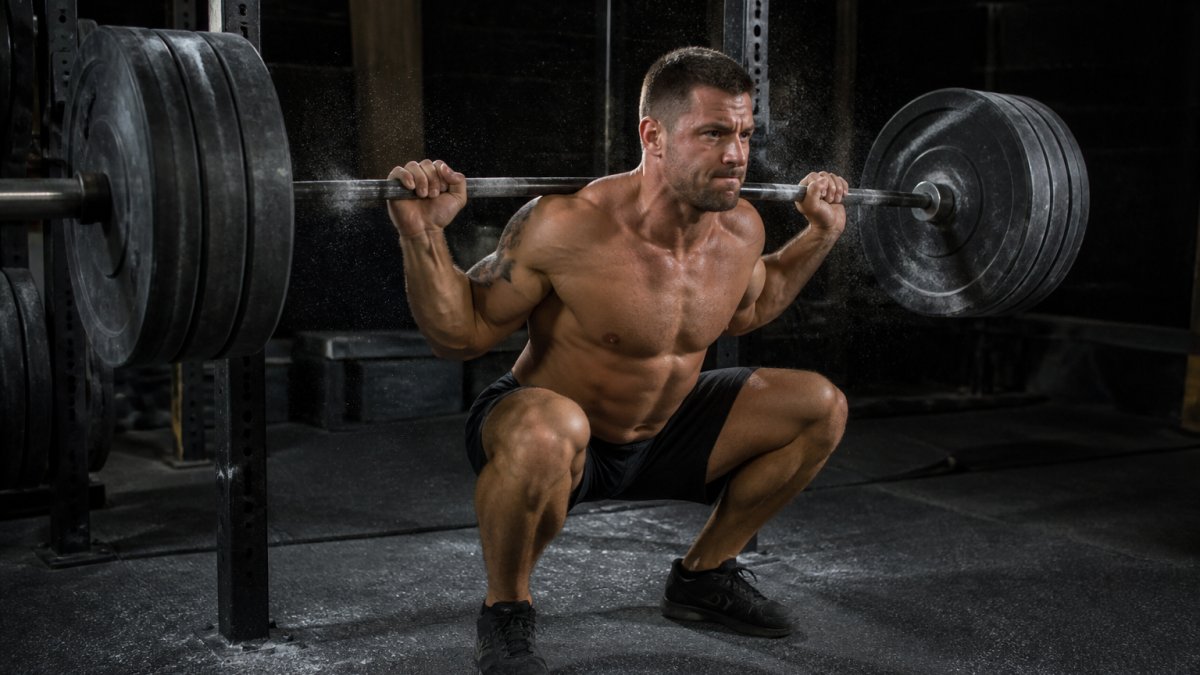
Fabric matters first. A poly/spandex blend with four-way stretch moves with your hips and recovers its shape between reps. Cotton gets heavy when wet and stays heavy. Look for a lightweight performance weave that wicks sweat and dries fast.
Inseam, Waistband, and Coverage Checks
A 7-inch inseam hits the sweet spot for most lifters. It covers the thigh without catching the knee. A shorter inseam frees the hip but risks exposure at depth. For a deeper look at length, see our guide to the best inseam length for barbell training. And if you have large quads, avoid the fit mistakes that ruin workout shorts for big quads.
Shorts That Don't Ride Up During Squats: What to Look For
Ride-up during squats is not random. It is a mechanical response to how the waistband, fabric, and leg opening interact with hip flexion and thigh circumference. Understanding the mechanism lets you screen shorts before you ever load the bar.
Why Shorts Climb During a Squat
A liner adds a second failure mode. The inner brief stays tight against the thigh while the outer shell hangs loose, so the two layers shear against each other. That shear is what produces the bunching and the mid-set tug at the crotch. Unlined shorts remove that internal conflict, but they still need the right outer geometry to stay put.
The Three Fit Points That Control Ride-Up
Fabric weight and recovery. Lightweight fabric feels cool but clings when damp, and cling is the enemy of hang. A mid-weight performance weave with four-way stretch holds its shape and drapes away from the thigh instead of wrapping it. Check recovery by stretching the leg opening and releasing it: the fabric should snap back, not stay stretched.
A Quick Ride-Up Screen Before You Buy
- Put the shorts on over your training underwear.
- Do three slow bodyweight squats to full depth.
- Stand and check the hem: did it climb more than an inch above where it started?
- Check the waistband: did it roll, fold, or slide down?
- Do five fast squats and repeat. If the hem keeps climbing, the leg opening or fabric is wrong for your thigh shape.
Features That Actually Prevent Ride-Up
- Internal drawcord to lock the waist
- Flat seams that sit flush against the skin
- Four-way stretch that snaps back after each rep
- A leg opening wide enough to clear the thigh at depth
- A mid-weight fabric that hangs rather than clings when damp
When Compression Shorts for Lifting Beat Unlined Shorts
compression shorts vs loose shorts comparison breaks down which supports your squat and deadlift.
Underwear Pairing and the Squat Test Every Pair Should Pass
Most guides treat underwear as an afterthought. With unlined shorts, it is the base layer that decides whether the short works. Pairing the wrong underwear is the single most common reason lifters blame unlined shorts for chafing, bunching, or visibility problems that actually start underneath.
How Underwear Changes the Way Unlined Shorts Perform
Seams. Flatlock or bonded seams sit flush and do not create pressure points when your hip closes at depth. Overlocked seams and thick waistbands can dig in during deep flexion, especially under a belt.
Fabric. A synthetic performance blend wicks sweat and dries fast. Cotton holds moisture, gets heavy, and stays damp, which increases friction against the short and raises chafing risk on high-rep sets.
The Squat Test: Six Checks Before You Commit
If the shorts pass all six, they will hold up under a loaded bar. If they fail any one, return them or change the underwear and retest before you blame the short.
When the Test Fails: Diagnose Before You Return
A failed check does not always mean a bad short. If the waistband rolls, the band may be too big or the underwear waistband may be pushing it. If the hem climbs, the leg opening may be too narrow for your thigh or the underwear may be dragging. If coverage fails, the fabric may be too thin or the color too light. Change one variable at a time and retest. That is how you learn which shorts and which underwear actually work together for your squat.
Common Mistakes That Undermine Unlined Shorts
Other frequent errors:
- Choosing a fabric that is too thin, which turns see-through at depth
- Sizing up for comfort, which loosens the waist and invites ride-up
- Wearing cotton base layers that soak up sweat and stay wet
- Ignoring inseam length and catching the knee at the bottom
Get the fit and fabric right and unlined shorts do exactly what they should: stay out of your way.
Shop Mayhem Moisture Wick Shorts for Your Next Training Block
Our Moisture Wick Shorts are built for exactly this job. The lightweight 3.5 oz poly/spandex blend gives you four-way stretch and unrestricted mobility through every rep. Moisture-wicking technology keeps you cool and dry when the session gets heavy, and the 7-inch inseam balances coverage with freedom of movement. An internal drawcord locks the waist so the shorts stay in place through deep squats. Built for repetition. Designed to endure.

Frequently Asked Questions
What are the benefits of unlined shorts for squats?
Unlined shorts remove the inner compression layer, which reduces bulk and fabric bunching at the hip crease when you hit depth. That means fewer seams pressing against your skin and more direct airflow to the thighs. Many lifters find they get a freer range of motion and less heat buildup during high-volume squat sessions. Garage Gym Reviews notes that some people prefer linerless shorts, though it recommends trying both to see which fits your body and training style.
Are unlined shorts better than lined shorts for lifting?
Not automatically. The right answer depends on your sweat rate, thigh shape, and how much compression you want under the bar.
What should you wear under unlined gym shorts?
Choose a moisture-wicking performance brief or boxer brief in a synthetic blend, not cotton. Cotton holds sweat, gets heavy, and stays damp against the skin. Look for a flat waistband that will not roll when you brace, and a leg length short enough that it does not bunch at the hip crease. Some lifters go commando in unlined shorts with a smooth liner-free interior, but test that in a low-stakes session first to rule out friction.
How do you keep gym shorts from riding up during squats?
Start with the right inseam. A 7-inch inseam gives coverage without excess fabric that bunches at the hip. Look for four-way stretch and a fabric that moves with you rather than against you. An internal drawcord keeps the waistband locked in place when you brace hard. Avoid loose, heavy cotton shorts, which slide and climb during deep reps. If shorts still ride up, size down or switch to a shorter inseam that clears the hip crease entirely.
Your shorts should not be the reason you cut a set short. Mayhem Performance Apparel builds gear for athletes who train under load and refuse to negotiate with their standards. Our Moisture Wick Shorts bring moisture-wicking fabric, four-way stretch, and a locked-in waistband to every session. Get started with Mayhem Performance Apparel and train without the distractions.

0 comments