
Table of Contents
- Why Do Leggings Roll Down at the Waist
- How Should Workout Leggings Fit
- Choose the Best Waistband for Leggings That Stay Up
- How to Wash Leggings Without Stretching Them
- Quick Fixes and Temporary Solutions
- Prevent Gym Leggings From Rolling Down: Full Prevention Strategy
- Frequently Asked Questions
Last Updated: October 17, 2026
Why Do Leggings Roll Down at the Waist
To prevent gym leggings rolling down, you need to understand the mismatch between how they're designed and how your body moves. The problem isn't always the leggings. Sometimes it's the fit. Sometimes it's how you care for them. Understanding the root cause is the first step to fixing it.
Size and Waist-to-Hip Ratio Mismatches
Leggings that don't match your body proportions will slide no matter how good the fabric is. Your waist-to-hip ratio determines where the waistband sits and how much grip it has. If you have a smaller waist relative to your hips, standard sizing won't hold.
Many athletes buy based on size alone. They ignore the rise, how high or low the waistband sits on your body. A low-rise legging designed for someone with a different body shape will roll down during squats, lunges, or any high-impact movement.
The fix starts with honest measurement. Don't guess your size. Measure your natural waist and hip circumference. Compare those numbers to the brand's size chart. Check the rise measurement too. A proper fit means the waistband sits at your natural waist without gaps or excessive tightness.
Elastic Degradation and Fabric Fatigue
Elastic doesn't last forever. Every wash, every stretch, every squat breaks down the fibers. After months of heavy training, even premium leggings lose their grip.
How you wash your leggings directly impacts how long the elastic stays strong. Hot water, the dryer, and aggressive washing all accelerate degradation. The elastic weakens faster than the fabric itself, which is why the waistband fails first.
Sweat and friction also wear elastic faster. Athletes who train hard in the same leggings multiple times per week see noticeable elastic failure within 4-6 months. This is normal wear, not a defect. It's why caring for your leggings matters as much as choosing the right pair.
How Should Workout Leggings Fit
The best-fitting leggings feel snug without restricting movement. They stay in place through your full range of motion. The waistband should sit at your natural waist, not dig in, and not gap away from your body.
Step-by-Step Fit Diagnosis
Start with a standing fit check before you ever wear them to the gym. Put on the leggings and stand in front of a mirror.
Bend forward at the waist as if you're touching your toes. Do the leggings stay in place? If the waistband drops more than half an inch, they're too loose.
Perform a few squats. This is where most fit issues show up. Your glutes push outward. Your hips flex.
Do a few lunges. Step forward, drop your back knee toward the ground, then push back to standing. Leggings that fit well stay locked in place.
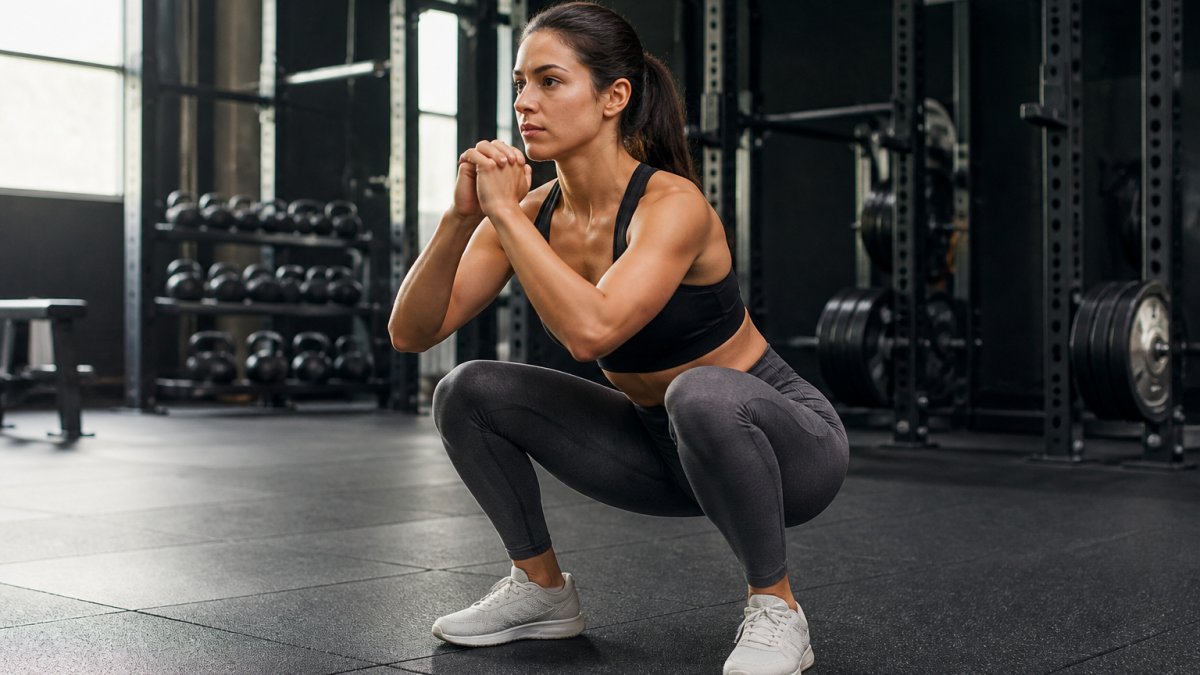
Jump a few times. High-impact movement is the real test.
Testing During High-Impact Movement
Don't wait until your first class or training session to discover fit problems. Test high-impact movements at home first. Do 10 jumping jacks. Do 10 box jump motions (without the box). Do 10 burpees if you can.
The leggings should not move. The waistband should feel locked. If you're constantly pulling them up, the fit is wrong. If you're thinking about your leggings instead of your workout, that's a fail.
Pay attention to how the fabric moves around your hips and thighs. Leggings that bunch or wrinkle in the crotch area are often too loose in the waist.
Write down what you notice. Is the problem the waistband specifically? Is it the overall fit? Does it get worse as you sweat? This information helps you choose the right solution.
Choose the Best Waistband for Leggings That Stay Up
The waistband is the foundation. A strong waistband design prevents rolling. Different designs work for different body types and workout styles.
High-Waisted and High-Rise Designs
High-waisted leggings sit at your natural waist. High-rise designs sit even higher, extending above your natural waist. Both provide more surface area for the waistband to grip your body.
The higher the waistband, the more coverage and stability you get. High-rise designs are especially effective for athletes with a smaller waist relative to their hips. The extra height helps the waistband stay anchored even during intense movement.
The trade-off is comfort. Some athletes find high-rise leggings uncomfortable during heavy lifting because the waistband can dig in or restrict breathing. Test the fit before committing to a full training session.
Mid-rise leggings sit lower than high-waisted designs but higher than low-rise. For most athletes, mid-rise with a strong waistband construction is the sweet spot. You get stability without the restrictive feeling of a very high waistband.
Compression, Grip Strips, and Bonded Panels
Compression rating refers to how much the fabric squeezes your muscles. Higher compression fabrics provide more support and hold the waistband tighter against your body.
Grip strips are silicone or rubberized bands sewn into the inside of the waistband. They create friction between the waistband and your skin, preventing sliding.
Bonded panels are extra fabric layers fused to the waistband for reinforcement. They add thickness and stability. Bonded panels also prevent the waistband from curling or folding, which can contribute to rolling.
Many premium leggings combine all three: compression fabric, grip strips, and bonded panels. This layered approach is more effective than any single feature alone.
Drawstring Waistbands for Extra Hold
A drawstring waistband gives you direct control over fit. You can tighten it to your exact preference, which is valuable if you're between sizes or have body composition changes throughout your training cycle.
Drawstrings are especially useful during high-impact workouts. You can make the fit tighter without the waistband being uncomfortably snug at rest. This flexibility helps athletes who train in multiple styles, lighter work where a looser fit is comfortable, and heavy work where a tighter fit is necessary.
The downside is that drawstrings can come untied or loosen during intense movement. Make sure the drawstring is long enough that you can tie it securely, and consider tying it with a double knot before training.
How to Wash Leggings Without Stretching Them
How you care for your leggings directly impacts how long they stay functional. Washing and drying mistakes accelerate elastic degradation and cause permanent stretching.
Washing Techniques That Preserve Elasticity
Turn your leggings inside out before washing. This protects the outer fabric from friction and reduces pilling.
Shop Mayhem Performance Apparel →
Use cold water only. Hot water breaks down elastic fibers faster.
Use a gentle cycle or hand wash. Aggressive washing machines beat the fabric and stress the elastic.
Wash with similar colors and fabrics. Don't wash your leggings with rough items like towels or jeans. The friction accelerates wear.
Use mild detergent. Heavy-duty or scented detergents can damage performance fabrics. Look for detergent designed for athletic wear if possible.
Don't use fabric softener. It coats the fabric and reduces breathability. It also breaks down elastic.
Rinse thoroughly in cold water until the water runs clear. Detergent residue left in the fabric can damage elastic and reduce performance.
Drying Methods to Maintain Waistband Support
Never use the dryer. Heat is the enemy of elastic. Even one cycle in the dryer causes permanent damage. The elastic shrinks unevenly and loses its stretch.
Lay your leggings flat to dry on a clean towel or hang them on a line. Air drying takes longer but preserves the elastic completely.
If you must speed up drying, use a low-heat setting on the dryer for 10-15 minutes maximum. Anything longer causes damage. Better yet, skip the dryer entirely.
Don't wring out your leggings. Wringing twists the fabric and stresses the elastic. Gently squeeze out excess water instead.
Reshape the waistband while the leggings are still damp. Smooth out any wrinkles or folds. This helps the waistband dry in the correct shape.
Quick Fixes and Temporary Solutions
If your leggings are rolling down right now, you need immediate fixes while you figure out the long-term solution.
Wear a drawstring or belt over the leggings. This keeps the waistband in place during training. It's not ideal, but it works in a pinch.
Tuck a sports bra or crop top over the waistband. The extra layer adds friction and prevents rolling. This works especially well for shorter athletes or those with a smaller waist.
Try body tape or athletic tape applied to the inside of the waistband. The sticky surface grips your skin and prevents sliding. This is temporary but effective for single training sessions.
Wear compression shorts under your leggings. The dual waistbands create more grip points and prevent rolling. Many athletes do this anyway for additional support during heavy lifting.
Tailoring and Waistband Adjustment
If your leggings are otherwise perfect but the waistband is too loose, a tailor can take in the waistband. This is a permanent fix and costs less than buying new leggings.
A tailor can add elastic to the waistband if it's stretched out. They can also add a drawstring or reinforcement stitching if the original waistband is failing.
Tailoring works best when the problem is a loose fit, not poor design. If the leggings roll because the rise is wrong for your body, tailoring won't fix it.
Ask your tailor about adding grip strips if they're not already there. Some tailors can install silicone grip strips inside the waistband for additional hold.
Prevent Gym Leggings From Rolling Down: Full Prevention Strategy
Preventing gym leggings rolling down is easier than fixing it after the fact. Here's how to approach it systematically.
Start with the right size and fit. Measure your waist and hips. Use the brand's size chart. Check the rise.
Choose a waistband style designed for your body type and workout intensity. High-waisted designs work for most athletes.
Care for your leggings properly. Wash in cold water on a gentle cycle. Air dry. Never use the dryer.
Replace leggings when the elastic starts to fail.
Invest in quality gear from brands that engineer for performance. Mayhem Performance Apparel leggings are currently being designed with all of these characteristics in mind. You can sign up for notifications on our home page and be the first to receive exclusive updates on when our women’s line launches in November 2026. Mayhem Performance Apparel is committed to designing clothes that serve a purpose, not a fashion trend. We’re here to help you Control the Chaos.
Frequently Asked Questions
Why do my gym leggings keep rolling down during workouts?
Leggings roll down due to incorrect sizing, poor waistband construction, or elastic degradation over time. If the waist is too loose relative to your hip measurement, gravity pulls the waistband down during movement. Low-rise designs, weak compression, and lack of grip strips also contribute. High-impact activities like squats and lunges intensify the problem. Proper fit, high-rise construction, and compression rating directly address this issue.
How should workout leggings fit around the waist and hips?
Leggings should sit snugly at your natural waist without gapping or pinching. The waistband should stay in place during a full squat without sliding. Check fit by performing a test squat: if the waistband moves more than a half-inch, they're too loose. Your hip measurement should match the legging's hip specification. High-waisted styles sit above the hip bone, providing more coverage and stability. Proper fit prevents rolling and ensures comfort during heavy lifting and high-impact exercise.
What type of waistband helps leggings stay up best?
High-waisted designs with wide waistbands provide superior stability compared to low-rise options. Bonded inner panels and silicone grip strips anchor the waistband to your body. Drawstring waistbands offer adjustable hold for varying body proportions. Layered waistband construction distributes pressure evenly. Combined, these features create the best waistband for leggings that stay up during intense training.
Can washing or drying leggings make them lose their shape?
Yes. High heat and aggressive drying degrade elastic fibers permanently. Machine drying on high heat accelerates waistband stretching and reduces compression. Wash leggings in cold water on a gentle cycle, then air-dry flat or hang to preserve elasticity. Avoid fabric softeners and bleach, which break down stretch fibers. Proper care extends the lifespan of compression and waistband support, preventing premature rolling and fit issues. Regular maintenance directly impacts how long leggings maintain their hold during workouts.
Rolling leggings disrupt your focus and interrupt your training. The solution isn't complicated, it's a combination of correct sizing, smart waistband design, and proper care. Mayhem Performance Apparel leggings are engineered to stay in place through the most demanding training sessions. Our waistbands use compression, grip technology, and reinforced construction specifically because we understand what athletes need. Shop now and train without distraction.
0 comments