
Quick Summary
To choose IPF approved lifting apparel, first confirm your meet is IPF-recognized, then check the current official IPF approved list. Match each item's category, manufacturer, and exact model against the list, and confirm any required markings are present before you buy.
- Confirm the meet is IPF-recognized, since the IPF list applies only to IPF-recognized competitions.
- Open the approved list from the official IPF site and check the 2023-2026 cycle dates on its cover.
- Approval attaches to specific items, so a listed brand is not blanket approval for every product it sells.
- If category, manufacturer, and exact item all match and markings are present, the item is approved for IPF competition.
Table of Contents
- How to Choose IPF Approved Lifting Apparel Step by Step
- What IPF Approval Means for Lifting Apparel
- Step 1: Confirm Your Federation and Competition Rules
- Step 2: Check the Current IPF Approved Powerlifting Apparel List
- Step 3: Choose a Compliant Singlet and Support Shirt
- Belts, Wraps, and Knee Sleeves: What the Rules Cover
- Powerlifting Competition Clothing Requirements on Meet Day
- Your Next Step: Build a Compliant Competition Kit
- Frequently Asked Questions
How to Choose IPF Approved Lifting Apparel Step by Step
Last Updated: October 29, 2026
What IPF Approval Means for Lifting Apparel
If you lift in IPF-sanctioned meets, your gear has to meet the International Powerlifting Federation's rules (Approved List). That is what IPF approved lifting apparel means. An item is approved when it appears on the federation's official list, which covers the 2023-2026 cycle. For broader guidance on powerlifting apparel covering federation rules and fabrics, see powerlifting apparel guide.
Here is the part that trips up many lifters. Approval attaches to specific items from specific manufacturers. A brand being on the list does not mean every product it sells is approved. We'll show you how to check the exact item you plan to wear.
Step 1: Confirm Your Federation and Competition Rules
Start with the rulebook for the meet you plan to enter. A common mistake is assuming the IPF list applies to every event. It applies to IPF-recognized competitions (Approved List). Local, collegiate, and non-IPF federations may set their own rules for what you can wear.
Before you buy anything, write down:
- The federation hosting the meet
- The rulebook version the meet uses
- Whether the meet is IPF-recognized or a different sanctioning body
- Any meet-specific notes from the organizer
This takes about ten minutes and saves you from buying gear that will fail inspection.
Step 2: Check the Current IPF Approved Powerlifting Apparel List
This is the step where most buying mistakes happen, so treat it as a verification task rather than a quick glance. The goal is to confirm three things in order: the list is current, the manufacturer is listed in the right category, and the exact item you plan to wear matches the entry.
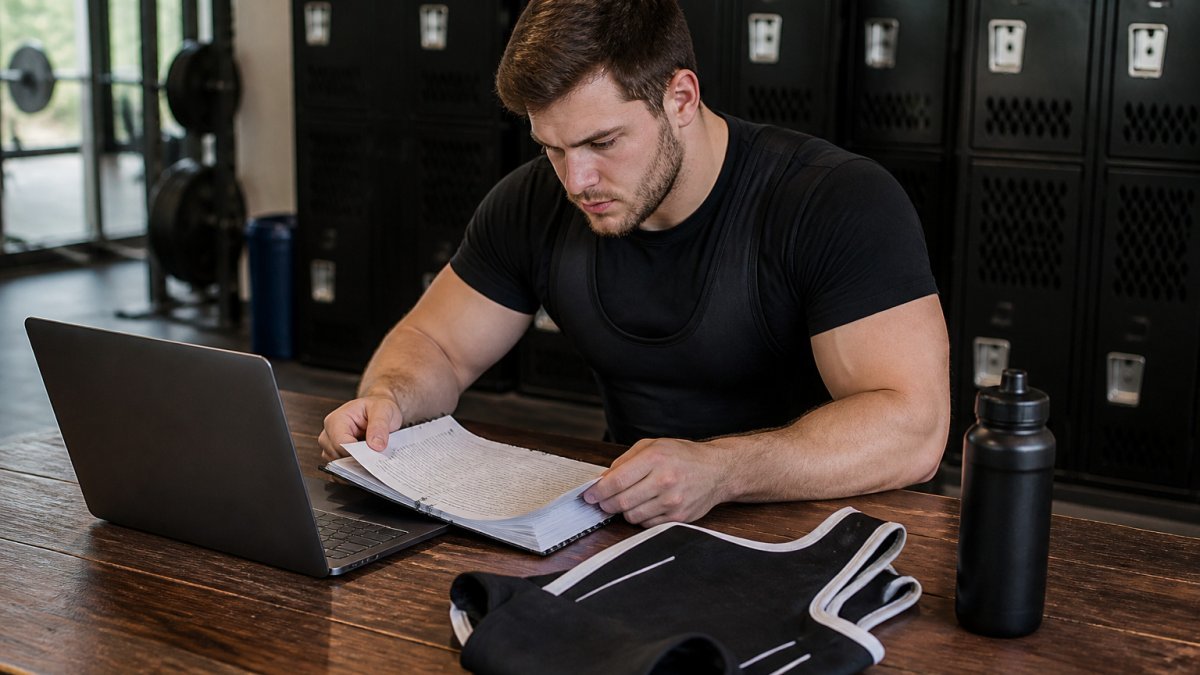
Confirm you have the current list
The IPF publishes its approved equipment list as a PDF and updates it over time. To compare apparel that states IPF standard compliance, see Gorilla Wear alternatives. Before you search for any product, confirm the version:
- Open the list from the IPF's official site, not from a retailer, forum, or saved copy.
- Check the cover page for the approval cycle dates. The current cycle runs 2023-2026, but mid-cycle updates can change individual entries.
- Check the IPF news or announcements page for any published updates to approval status since the PDF was issued.
- Note the date you checked. Write it down next to the item you are verifying.
A common pattern is for lifters to save a list PDF early in a training block and then buy gear months later without rechecking. If an item was removed or a manufacturer's status changed, that saved copy will not warn you. Recheck the live list within a week of your meet.
Match the category, then the manufacturer, then the item
Work through the list in that order. Each step filters out a different kind of error.
- Category. Find the section for the item type you are buying, such as singlets, support shirts, belts, wrist wraps, or knee sleeves. A manufacturer approved for belts is not automatically approved for knee sleeves.
- Manufacturer. Confirm the manufacturer name matches exactly as printed. If the product page shows a parent company or a distributor, verify which name appears on the list.
- Item or model. Compare the listed model name or description against the product page. Approval can attach to a specific model, cut, or version, so a colorway or redesign can fall outside the listing.
- Markings. Where the rules require a label, tag, or marking, confirm your item has it. A listing on the PDF does not guarantee the physical item you receive carries the required identification.
If any of those four checks is unclear, treat the item as unapproved until you have written confirmation from the manufacturer or the meet organizer.
Handle outdated references and rule changes
Older PDFs and third-party summaries circulate widely, and some of them predate the current cycle. If you find a list entry through a search result, a forum post, or a retailer's "approved" badge, trace it back to the official PDF and confirm the version.
Keep a simple record for each item: the list version date, the category, the manufacturer name as printed, the model as printed, and the date you checked. If an official asks about your gear at inspection, that record shows you verified against the current list rather than an old one.
Official IPF approved equipment list and announcements
A quick decision rule
If the category, manufacturer, and exact item all match the current list and any required markings are present, the item is approved for IPF competition. If any one of those fails, it is not. There is no partial approval and no "close enough" category, so resolve the mismatch before you buy or pack.
Before buying any item, verify it against the official list using these four checks in order.
Shop Mayhem Performance Apparel →
| Check | What to confirm | Why it matters |
|---|---|---|
| Current list | Version and cycle dates from the official IPF site | Mid-cycle updates can change entries |
| Category | Item type matches its list section | Approval does not transfer between categories |
| Manufacturer | Name matches exactly as printed | A listed brand is not blanket approval |
| Item or model | Model, cut or version matches the entry | Redesigns can fall outside the listing |
| Markings | Required labels or tags are present | A listing does not guarantee the physical item is marked |
Step 3: Choose a Compliant Singlet and Support Shirt
Singlets and support shirts are the items most lifters buy first, and they're where rule details matter most. Pick from the approved list, not from marketing copy that says "powerlifting-ready."
Focus on fit and fabric once you've confirmed approval. A singlet that fits well stays in place under heavy loads. Test your choice in training before a meet.
Moisture-wicking fabrics help with sweat during long sessions, but compliance comes first. To compare polyester, nylon, and spandex blends for heavy lifting, check the fabric guide. Choose the approved item that fits your training conditions best.
Belts, Wraps, and Knee Sleeves: What the Rules Cover
Supportive gear follows the same logic. Belts, wrist wraps, and knee sleeves each have their own approval status on the list. Some brands are approved for one category and not another, so check each item separately. If you're looking for alternatives, you can compare durable gear built for heavy lifting.
Knee sleeves and wraps are a frequent point of confusion. Confirm the exact product is listed as an approved item, and check that it fits your meet's rules on thickness and material. If you're unsure, ask the meet organizer or your federation before you lift.
Powerlifting Competition Clothing Requirements on Meet Day
Meet-day inspection is the last chance to catch a problem, but the work starts the night before. Officials check that your apparel is approved, in acceptable condition, and worn the way the rules require. A single unapproved item or an unapproved logo can keep you off the platform, so run this checklist before you pack.
The night-before inspection checklist
- Singlet or costume is on the current approved list, with the exact model confirmed
- Support shirt, if you use one, is on the current approved list
- Belt is listed and matches the approved entry
- Wrist wraps and knee sleeves are each confirmed separately
- Gear is free of unapproved logos, patches, or modifications
- Items are clean and in good condition, with no tears or exposed damage
- Required labels or markings are present and legible
- You have a backup approved item for each category where practical
- You have rechecked the list version within the last week
What officials actually look at
Inspection is not a single glance. Officials typically check the item against the approved list, confirm the manufacturer and model, and look at condition and markings. They also check logos and branding, because the rules limit what can appear on competition apparel.
Fit matters too. A singlet that shifts, straps that ride, or a belt that does not sit correctly can affect how you lift and may draw attention at inspection. Test your full competition kit in training at meet-day tightness and layering, not just the individual pieces.
Layering and what you wear under your gear
The rules govern what you wear on the platform, including what sits under your singlet and support shirt. Confirm the allowed layers for your meet before you pack, and avoid assuming that a training setup carries over. If you plan to wear a T-shirt under your singlet or a particular undergarment, check that it is permitted and does not introduce an unapproved logo or material.
Classic versus equipped: check the right list section
Your equipment needs depend on the division you enter. Classic lifters use a narrower set of supportive gear, while equipped lifters add support shirts and other items. Confirm which division you are entered in and verify only the items that division allows. Wearing equipped gear in a classic division, or the reverse, is a rules problem even if every item is individually approved.
A five-minute meet-morning recheck
On meet day, do one final pass before you leave for the venue:
- Confirm the list version you checked is still the current one.
- Confirm each item still matches its approved entry.
- Confirm logos and markings are as required.
- Confirm your backups are packed.
- Confirm your division and the gear it allows.
That five-minute routine turns scattered rules into a repeatable habit, and it is the difference between a smooth inspection and a scramble at the warm-up area.
Your Next Step: Build a Compliant Competition Kit
Start with the rulebook, confirm the current list, and verify each exact item before you buy. Then build your kit one category at a time.
Frequently Asked Questions
What lifting apparel is required for an IPF powerlifting competition?
IPF rules govern personal supportive equipment, including singlets, support shirts, wraps, belts, and knee sleeves, and the approved apparel list identifies which items from officially registered commercial manufacturers qualify. Lifters should confirm current requirements in the IPF rulebook and approved list before a meet, since the list is published for specific periods such as 2023 to 2026. Check the list for each item you plan to wear rather than assuming a brand is approved across its whole catalog.
How can I check whether a singlet is IPF approved?
Start with the official IPF approved apparel list and look for the specific singlet model, not only the manufacturer name. Compare the listed item against the product you own, including the model name and any branding details the list specifies. If the item is missing or the details do not match, treat it as non-compliant and do not compete in it until the approval is confirmed by the federation.
Can I wear a non-IPF-approved shirt under my singlet?
Whether an undershirt is permitted depends on the current IPF rules and the approved list, so verify the exact garment before you wear it at a meet. Support shirts and other items must come from commercial manufacturers the IPF has approved to qualify. Bring your compliant options to the meet so you can change if an inspector questions an item.
Where can I find the current IPF-approved apparel list?
The current list is published by the International Powerlifting Federation on its official site, . Check the list version and date before you buy, because approvals can change between list periods. Confirm the item is still listed on the version that applies to your competition.

0 comments