
Table of Contents
- Why Athletes Look Beyond Rehband
- 7mm vs 5mm Knee Sleeves for Squats
- Knee Sleeves vs Knee Wraps for Heavy Lifting
- Material Composition and Durability
- Durable Gym Apparel for Heavy Lifting
- Sizing, Fit, and Long-Term Performance
- Making Your Choice: Rehband Alternatives Evaluated
- Frequently Asked Questions
Last Updated: October 1, 2026
Why Athletes Look Beyond Rehband
Rehband has dominated the knee sleeve market, but that dominance doesn't mean it's the best option for every lifter. Many serious strength athletes are discovering that rehband alternatives for heavy lifting offer better compression, superior durability, or a fit that actually matches their body type.
The truth is simple: one brand's standard sizing doesn't work for everyone. Some lifters need thicker material for maximum stability during heavy squats. Others prioritize mobility over compression. A few are tired of paying premium prices for gear that wears out faster than it should. According to American College of Sports Medicine research on athletic apparel performance, the right compression garment can improve proprioception and reduce joint stress during heavy compound movements. That's why exploring rehband alternatives isn't about chasing trends, it's about finding gear that matches your specific demands.
When you find the right alternative, you often get better performance for less money. This guide breaks down the key factors that separate solid knee sleeves from ones that actually hold up under the stress of heavy training.
7mm vs 5mm Knee Sleeves for Squats
A 7mm knee sleeve provides maximum compression and warmth retention, making it the standard choice for powerlifters tackling max-effort squats. The extra material creates more stiffness, which translates to mechanical advantage when you're fighting out of the bottom position.
A 5mm sleeve offers meaningful compression and joint support without sacrificing range of motion. For athletes who prioritize mobility or train in warmer conditions, 5mm feels less restrictive while still delivering stabilization benefits.
If your primary goal is moving maximum weight in the squat, 7mm wins. If you're doing high-volume training, 5mm prevents fatigue and keeps your knees fresher. Many lifters own both and rotate based on the training cycle.
Neoprene-based 7mm sleeves retain heat effectively and provide consistent compression. SBR (synthetic rubber) alternatives deliver comparable support at lower cost, though durability varies by brand.
Knee Sleeves vs Knee Wraps for Heavy Lifting
Knee wraps are elastic bands you wind tightly around your knee joint, creating temporary compression and mechanical advantage. Knee sleeves provide continuous compression throughout your entire training session.
For heavy squats, wraps deliver superior mechanical advantage by reducing the distance you need to travel out of the bottom. The disadvantage is setup time and the risk of restricting blood flow if wrapped too tightly.
Knee sleeves win on practicality: you pull them on like socks and train immediately. For daily training and high-volume work, sleeves are superior because you avoid setup friction and circulation risks.
Competitive powerlifters typically use both: sleeves for regular training, wraps for competition. Strength athletes training for general fitness or CrossFit prefer sleeves because convenience outweighs the mechanical advantage of wraps.
Material Composition and Durability
Material composition determines whether your investment lasts six months or two years. A cheap sleeve might feel good initially, then seams separate and elasticity dies.
Neoprene remains the gold standard, retaining warmth and maintaining elasticity through hundreds of training sessions. SBR (synthetic rubber) offers a budget-friendly alternative with decent compression, but elasticity degrades faster in hot conditions or with frequent washing.
Flat-lock seams distribute stress more evenly than standard stitching. Anti-slip coatings prevent the sleeve from rolling down during heavy squats. Tapered fit design ensures the sleeve stays in place without needing to be uncomfortably tight.
| Feature | Neoprene | SBR Rubber | Budget Synthetic |
|---|---|---|---|
| Compression Quality | Maximum | Strong | Moderate |
| Heat Retention | Excellent | Good | Fair |
| Elasticity Longevity | 2+ years | 12-18 months | 6-12 months |
| Price Range | Premium | Moderate | Budget |
| Seam Durability | Excellent | Good | Fair |
Durable Gym Apparel for Heavy Lifting
Durability in heavy lifting contexts is determined by specific material and construction choices. Understanding what drives longevity separates informed purchases from costly mistakes.
Material Degradation Under Load
Neoprene and synthetic rubber degrade through repeated compression cycles. Sweat, moisture, and heat accelerate degradation, training in warm conditions or storing sleeves in hot environments can reduce lifespan by 30-50%.
Neoprene-based sleeves typically retain 80-90% of their original compression after 100 training sessions. SBR alternatives drop to 70% by 100 sessions and 50% by 200 sessions. Budget synthetic blends reach 50% compression within 80-100 sessions.
Seam Construction and Stress Distribution
Seams are the failure point in most knee sleeves. Flat-lock seams distribute stress more evenly, extending seam life by 50-100% compared to standard stitching. Premium brands use reinforced flat-lock seams with additional stitching passes.
Seams at the top and bottom edges are most prone to failure. Look for brands that reinforce these areas with extra stitching or tape backing.
Anti-Slip Coatings and Grip Technology
Anti-slip coatings prevent the constant micro-adjustments that kill durability and performance. Silicone-based coatings are most common and effective, maintaining grip through hundreds of training sessions.
Premium sleeves use bonded coatings that last the life of the sleeve; budget alternatives use surface coatings that wear smooth within 6-12 months.
Tapered Fit Design and Structural Integrity
Tapered fit design maintains compression without needing to be uncomfortably tight. A well-tapered sleeve distributes compression evenly and stays in place through heavy movement.
A gradual taper distributes stress more evenly than aggressive taper. Sleeves engineered specifically for heavy lifting often outlast generic fitness apparel because the taper handles the specific demands of squats, deadlifts, and cleans.
Real-World Durability Expectations
Neoprene sleeves typically last 18-24 months of regular heavy training. SBR alternatives last 12-18 months. Budget synthetic options last 6-12 months. These timelines assume proper care: hand washing, air drying, and cool storage.
Training frequency affects lifespan significantly. A lifter training 5-6 days per week will see lifespan reduced by 25-40% compared to someone training 2-3 days per week.
Cost-Per-Month Analysis
Calculate durability in terms of cost-per-month, not upfront price. A $120 neoprene sleeve lasting 24 months costs $5 per month. A $40 budget sleeve lasting 6 months costs $6.67 per month. Premium neoprene sleeves deliver better value despite higher initial cost.
Inspection and Replacement Signals
Replace your sleeves when you see visible seam separation, noticeable loss of compression, or anti-slip coating wearing smooth. Once these signs appear, performance and injury prevention benefits decline significantly.
Sizing, Fit, and Long-Term Performance
Getting the right size is non-negotiable. A sleeve that's too loose provides minimal compression; a sleeve that's too tight restricts blood flow. Most brands provide sizing charts based on knee circumference alone, but this misses the reality of different body types and leg structures.
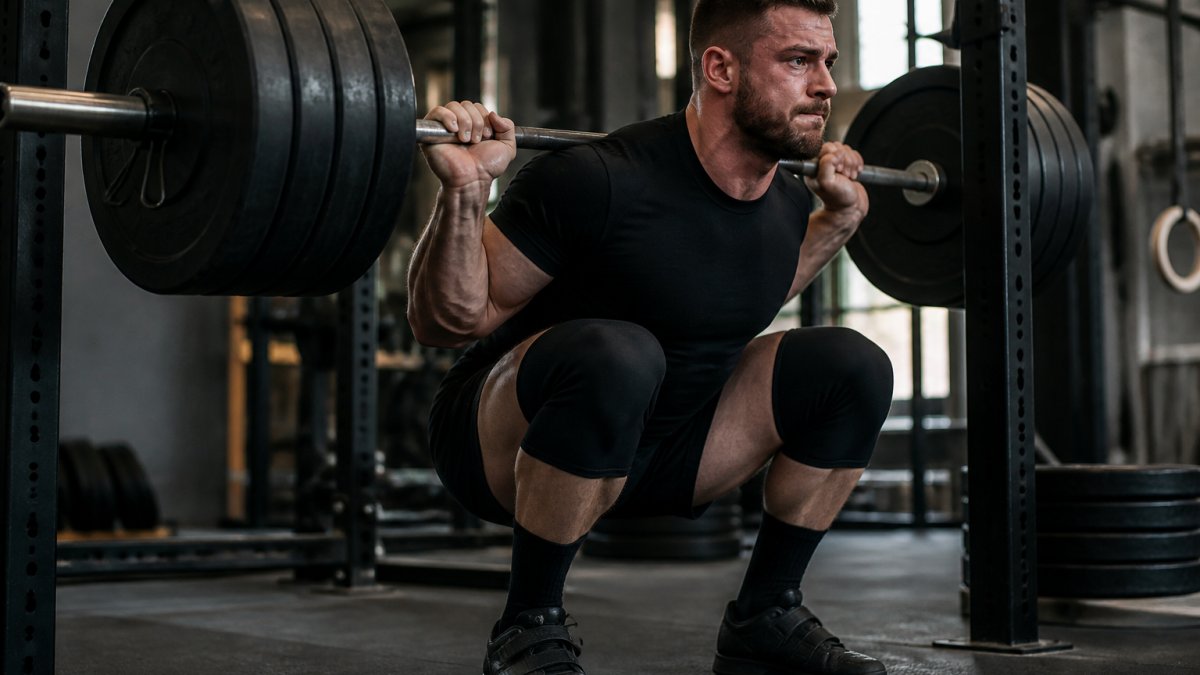
Standard Sizing Approach
Measure your knee circumference at the center of your kneecap with your leg straight and relaxed. Add about half an inch to account for the sleeve material's compression. If your true size falls between standard sizes, go with the tighter option.
Sizing for Muscular Leg Structures
If you have muscular legs, measure not just knee circumference but also mid-thigh and calf circumference. Some brands use tapered designs that assume leaner leg proportions. Look for sleeves with adjustable fit or "athletic" or "muscular" sizing variants.
Sizing for Lean or Smaller Frames
If standard sizing doesn't work, look for brands that use graduated sizing (XS, S, M, L, XL, XXL). Measure your knee, calf, and thigh circumference to identify which brand's sizing aligns with your proportions.
The Wear-In Period: What to Expect
New knee sleeves, especially neoprene-based options, require a break-in period that most guides ignore. During the first 5-10 training sessions, expect stiffness and reduced range of motion. This is normal. The material needs to conform to your knee shape and the elasticity needs to loosen slightly from initial manufacturing tension. Do not assume a sleeve is the wrong size based on the first session.
During break-in, wear the sleeves for lighter training sessions or warm-up sets before progressing to heavy work. This allows the material to adapt without forcing you to train through significant discomfort. By session 10-15, most sleeves will feel noticeably more comfortable while maintaining compression. Neoprene sleeves typically require 15-20 sessions to fully break in; synthetic rubber alternatives often settle faster, around 8-12 sessions.
If after 15 sessions a sleeve still feels restrictive or causes pain (not just tightness), the size is likely wrong. Compression should feel snug and supportive, not painful or circulation-restricting. If your toes tingle or your foot feels numb during or after wearing the sleeve, it is too tight.
Long-Term Performance and Maintenance
Long-term performance depends on proper care. Hand wash your sleeves in cool water after training; machine washing accelerates elasticity breakdown. Use mild soap and avoid fabric softeners, which coat the material and reduce compression effectiveness. Air dry completely before storing, moisture trapped inside promotes mold and material degradation.
Testing Fit Before Purchase
Making Your Choice: Rehband Alternatives Evaluated
The best rehband alternative depends on your specific priorities. If maximum compression and proven durability are your focus, you want 7mm neoprene sleeves with flat-lock seams and anti-slip coating. If you prioritize mobility and train year-round in varying temperatures, 5mm synthetic sleeves offer better versatility.
Frequently Asked Questions
What are the best Rehband alternatives for heavy squats?
Top alternatives include brands engineered specifically for powerlifting and weightlifting that offer comparable compression, stabilization, and joint support. Look for options with neoprene or SBR construction, proper patellar tracking support, and proven durability under repeated heavy loads. The best choice depends on your preferred thickness (5mm vs 7mm), budget, and whether you prioritize mobility or maximum stiffness during heavy squats.
Are 7mm knee sleeves better than 5mm for heavy lifting?
7mm sleeves provide greater stiffness and mechanical advantage, making them ideal for maximal-effort lifts and powerlifting competitions where peak performance matters. 5mm sleeves offer better range of motion and flexibility, suiting athletes who prioritize mobility alongside stabilization. For heavy squats and deadlifts, 7mm delivers more compression and support, while 5mm works well for cross-training and athletes who need balance between stability and movement freedom.
How do I know if knee sleeves will actually stay in place during heavy lifting?
Quality knee sleeves use anti-slip technology, tapered fit design, and proper circumference sizing to prevent rolling or shifting. Measure your knee circumference accurately and compare against the brand's sizing chart. Sleeves should feel snug but not restrictive. Look for seam construction that resists fraying and elasticity that maintains compression through hundreds of reps. Read reviews from lifters who've used the sleeves for months under heavy loads, not weeks.
What's the difference between knee sleeves and knee wraps for heavy lifting?
Knee sleeves provide passive compression and warmth retention, supporting proprioception and blood flow while allowing natural movement. Knee wraps require active wrapping technique and deliver maximum mechanical advantage and stiffness, preferred in powerlifting competitions. Sleeves are easier to use, better for daily training, and more forgiving for non-standard body types. Wraps demand skill but provide unmatched peak performance support during maximal lifts.
0 comments